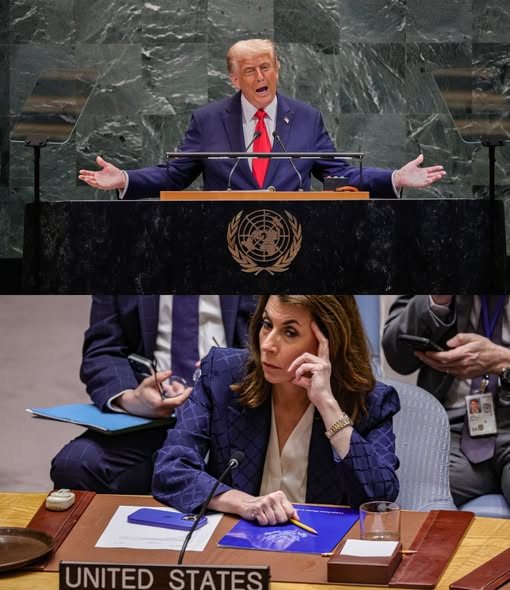
The recent United Nations General Assembly vote has sent a powerful message to the world: nations have a legal obligation to take immediate and meaningful action against climate change. The vote, which saw an overwhelming majority of 141 countries in favor and only 8 against, affirms a landmark World Court opinion calling for accountability from governments regarding the climate crisis. But among the dissenters, one notable absence is the United States, standing in stark contrast to the global consensus.
The nations that voted “yes”—including Australia, Germany, France, the UK, and 137 others—are united in acknowledging that climate change is not an abstract threat but an existential reality. The resolution, initiated by the Pacific island nation of Vanuatu, underscores the urgent need to hold countries accountable for fossil fuel emissions and environmental degradation. Vanuatu’s UN ambassador poignantly stated before the vote that “the harm *is real and it is already here*,” pointing out that island nations like Tuvalu and Nauru are experiencing unparalleled threats from rising seas, with communities already seeking climate migration visas and contemplating relocation.
In stark contrast, the United States—long the world’s largest historical emitter of greenhouse gases—chose to oppose this critical resolution. The U.S. joined a small group of countries including Saudi Arabia, Russia, Iran, Israel, Yemen, Liberia, and Belarus, all of which have varying interests in maintaining the status quo of fossil fuel consumption. This alignment is not accidental. The U.S. under the Trump administration had previously withdrawn from the Paris Climate Agreement and has strongly promoted fossil fuel production, positioning oil and gas interests above climate responsibilities.
The U.S. objection to the resolution was rooted in concerns over what it called “inappropriate political demands relating to fossil fuels.” Critics argue this is nothing more than a politicized stance aimed at protecting the oil industry and resisting international pressure for cleaner energy policies. Back in February, reports surfaced that the Trump administration was exerting diplomatic pressure on other nations to persuade Vanuatu to withdraw the resolution—an effort that ultimately failed as the majority of nations reaffirmed their commitment to climate justice.
This vote reveals a sharply divided world: on one side, 141 nations upholding the rule of law and pressing for global accountability; on the other, a handful of countries representing fossil fuel interests and authoritarian regimes that oppose holding polluters responsible. The implications are profound—if the international community begins to enforce legal obligations on climate change, the influence of oil giants and autocratic regimes could be markedly diminished.
For vulnerable island nations like Tuvalu and Nauru, the stakes could not be higher. As sea levels threaten to submerge their homeland within decades, these nations exemplify the real-time consequences of inaction. Their cries for recognition and accountability highlight an urgent moral and legal imperative for the rest of the world to step up.
As the global community stands at a crossroads, the message is clear: the battle for climate justice is far from over. While most nations are rallying behind the principle that no country should be allowed to torch the planet without consequences, the United States seems increasingly isolated in its refusal to accept these basic measures—drawing a stark line between those fighting for the planet’s future and those prioritizing fossil fuel profits.