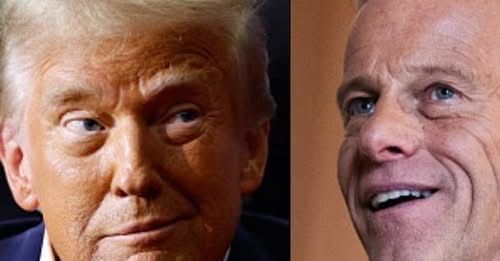
It’s a scene that seems to have become a familiar ritual at Donald Trump’s international appearances: arriving late, commanding the room with bravado, and leaving diplomatic colleagues exchanging glances behind his back. But at the final day of the G7 summit, this pattern took a particularly revealing turn—and the social media buzz was swift and sharp.
According to reports, Trump strutted into the room almost an hour after proceedings had begun, and as he officially entered, he boldly proclaimed, “I’m the boss,” drawing a mix of chuckles and eye rolls from those present. The reaction was unmistakable: the leaders didn’t laugh with him—they laughed at him. French President Emmanuel Macron, as the official host, greeted him with a courteous, almost bemused, “How are you?”—the kind of welcome you’d give an eccentric uncle who stumbles into dinner late.
Behind closed doors, a source close to Macron revealed via a live microphone that the French leader had confided in Ukrainian President Volodymyr Zelensky that the leaders had just had a “difficult discussion” with Trump. The word “difficult” in diplomatic circles often suggests a session drained of warmth and full of disagreements. It seems the room’s tension stemmed from Trump’s insistence on projecting authority, even as his actions and mannerisms betrayed a politics of spectacle more than substance.
Throughout the summit, Trump appeared to still operate under the illusion of hosting his own reality show, brandishing a memorandum on Iran like a trophy—only to admit moments later that it wasn’t even finalized. He threatened to resume “dropping bombs right smack in the middle” of Tehran if Iran misbehaves, showcasing an approach that critics argue is more about posturing than diplomacy.
When asked why the other leaders, who had been gossiping about his antics on microphones, suddenly clapped after his Iran announcement, Trump claimed they finally realized he was right and now wanted to involve themselves. But as many experts note, “they’re managing Trump.” Maintaining stability in international forums often means subtly controlling or sidestepping unpredictable figures rather than empowering them.
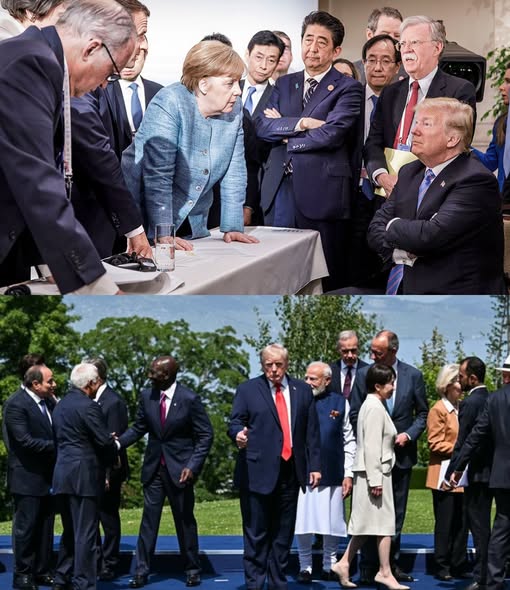
Referring back to a well-known photograph from the 2018 G7, where German Chancellor Angela Merkel and other leaders appeared to be staging an intervention as Trump sat arms crossed, it’s clear the dynamic hasn’t changed much. The same late arrival, the demand for attention, and the confusion between being tolerated and genuinely respected all remain constants.
In essence, a true leader fosters trust and respect—things Trump still seems to confuse with dominance and spectacle. The reality in diplomatic meetings is that others learn to schedule around his moods, flatter his ego, and keep transactions smooth behind the scenes. They do not, however, look up to him as a boss worth following. That kind of authority only belongs where people trust the judgment of their leader, not where they manage a liability disguised as a dealmaker.
As the world continues to watch Trump’s evolving role on the global stage, the takeaway remains clear: Leadership based on ego and spectacle never replaces the quiet strength of trust and consensus. And in the messy, delicate dance of diplomacy, some leaders understand that better than others.