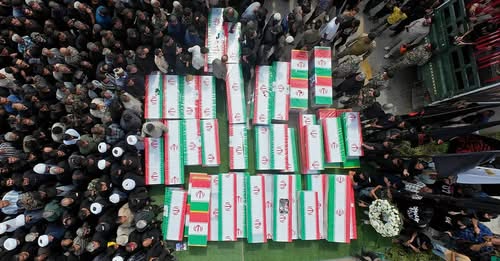
In a recent statement that has sparked widespread controversy, the President of the United States responded to questions about a devastating cruise missile strike in Minab, an incident that claimed the lives of 156 students and staff members. When pressed on the tragic event, the President simply replied, “War is nasty.”
The attack, which took place in February, has drawn fierce criticism both domestically and internationally. Human rights organizations depict the strike as a clear violation of humanitarian norms, highlighting the devastating toll on innocent civilians, especially children and education staff.
This dismissive remark has reignited longstanding debates about how U.S. leaders acknowledge and address civilian casualties resulting from military interventions. Critics argue that such comments downplay the severity of war crimes and reflect a troubling tendency among some administrations to minimize civilian suffering for political or strategic reasons. Many experts and advocacy groups are calling for more accountability and transparency in military operations, emphasizing that civilian loss of life should never be regarded as an inevitable byproduct of war.
Historically, U.S. presidents have faced criticism for their responses to military atrocities. From Vietnam to Iraq, leaders have often issued statements emphasizing the difficulties of war while sidestepping accountability for civilian deaths. The Minab incident underscores the lingering tension surrounding U.S. military actions and their aftermath, especially when innocent lives are lost.
The survivors and families of victims in Minab have expressed outrage, demanding acknowledgment and justice. Human Rights Watch and other international agencies are calling for thorough investigations into the strike, emphasizing the importance of respecting international humanitarian law.
While the President’s brief remark aims to acknowledge the inherent brutality of war, many believe it trivializes the pain and suffering of the victims. Critics argue that leaders should instead focus on measures to prevent civilian casualties and hold accountable those responsible for war crimes, regardless of political considerations.
This incident and the President’s comments shed light on a broader debate over the ethics of military conflict and leadership accountability. As the world watches, the hope remains that future responses will be rooted in compassion, responsibility, and a commitment to uphold human rights, even amid complex geopolitical struggles.