
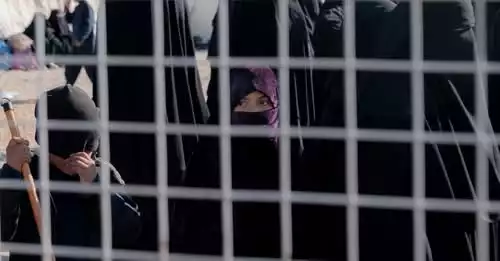
Deep in the arid deserts of Syria’s northeastern al-Hasakah province, lies the remote village of al-Hawl. Once a quiet outpost, it has gained notoriety as a de facto detention site holding tens of thousands of individuals linked to the Islamic State of Iraq and Syria (ISIS). The camp, sprawling across the barren landscape, has become a symbol of the complex and ongoing struggles in Syria’s fight against extremism.
Until recently, al-Hawl was home to a large, unofficial detention camp that primarily housed women and children. These civilians, often the families of ISIS fighters, found themselves trapped in a limbo—neither fully prisoners nor free individuals—amid the chaos of Syria’s ongoing conflict. The conditions in the camp drew widespread international condemnation, with reports of inadequate healthcare, scarce food supplies, and overcrowding fueling concerns over human rights abuses.
The camp’s population was a mosaic of nationalities, reflecting the global reach of ISIS at its peak. Women and children from Iraq, Syria, and other countries arrived at al-Hawl after their families’ ties to ISIS brought them into custody. Many of these individuals had little understanding of the complex geopolitics that brought them there, making their plight highly sympathetic yet politically charged.
For years, the international community grappled with questions about accountability, security, and the fate of these detainees. While local and federal authorities in Syria, the U.S., and allied nations debated potential solutions, the situation remained unresolved. Critics argued that indefinite detention without trial violated basic human rights, while others emphasized the threat posed by potential re-recruitment or resurgence of ISIS in the region.
Recently, however, authorities began to take steps toward clearing the camp, with some detainees being transferred or repatriated to their home countries. This process is fraught with logistical and political challenges—many countries are reluctant to accept their citizens back, fearing security risks or political backlash. Humanitarian organizations continue to call for humane treatment, legal transparency, and reintegration programs to help these individuals rebuild their lives.
The fate of al-Hawl encapsulates the broader dilemmas faced worldwide in addressing the aftermath of ISIS’s rise and fall. As the region slowly stabilizes, the question remains: what is the path forward for the residents of al-Hawl, and how do nations balance security with human rights?
Future developments in al-Hawl may serve as a benchmark for how the international community manages similar situations in conflict zones worldwide—a stark reminder of the ongoing implications of extremism and the pressing need for compassionate, comprehensive solutions.
Where to Learn More
- Inside the Forgotten Camp of al-Hawl – BBC News
- Repatriation Efforts at al-Hawl and Beyond – Al Jazeera
- Human Rights Watch Reports on al-Hawl – Human Rights Watch
- United Nations Update on Syria’s Displaced Populations – UN