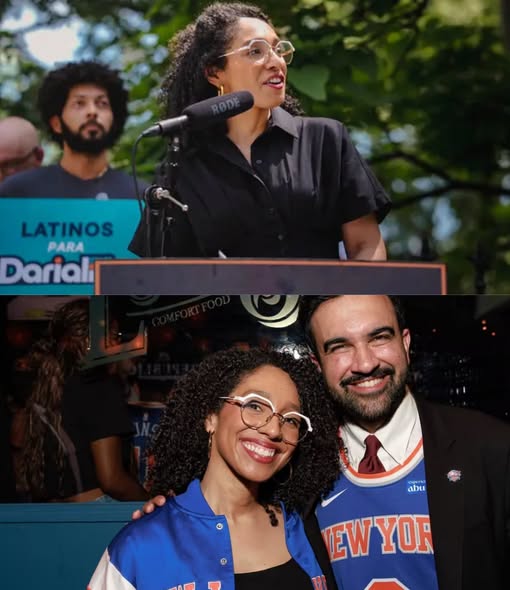
In a remarkable upset that has captured the attention of political outsiders and advocates alike, Darializa Avila Chevalier is poised to become the first Dominican American woman to serve in Congress. Her victory exemplifies the power of grassroots organizing and unwavering commitment to social justice, proving that authenticity and community-driven campaigns can defy the odds set by wealth and establishment endorsements.
Her path to Congress is rooted in decades of activism. Born to Dominican immigrants, Avila Chevalier spent her entire adult life fighting for marginalized communities. Her work spans from protesting the removal of racist statues in Central Park to challenging ICE policies that tear families apart. She famously organized to remove the statue of J. Marion Sims, a surgeon notorious for experimenting on enslaved Black women without anesthesia, highlighting her commitment to confronting historical injustices.
Her activism didn’t stop there. She took a stand against the Trump administration’s Muslim ban by fighting to free a Somali Green Card holder detained under ICE. Working with Families for Freedom, she helped reunite families separated under immigration enforcement. When her friend Mahmoud Khalil was detained and taken from his Columbia University apartment, Avila Chevalier was on the ground organizing support outside the courthouse, demonstrating her dedication to community-led advocacy.
While her activist work is well-known in Harlem and beyond, her current campaign also showcases her ability to mobilize voters directly. Running as a 32-year-old political newcomer, she refused corporate PAC money, real estate contributions, and any assistance from AIPAC, the influential pro-Israel lobby — a bold stance in a heavily contested race. Her opponent, Adriano Espaillat, was a five-term incumbent backed by the Democratic establishment and AIPAC, making her victory even more significant.
This victory is not simply a personal achievement but a reflection of a larger movement. Avila Chevalier’s campaign built on community power, inspired by her nearly year-long efforts canvassing for progressive leader Zohran Mamdani. Her campaign became a vehicle for amplifying the voices of ordinary neighbors seeking representation and change, emphasizing that grassroots organizing can challenge entrenched political structures.
Her record of activism and her unyielding dedication to social justice make her a trailblazer not just for Dominican Americans but for all marginalized communities. As she prepares to take her seat in Congress, she embodies the transformative potential of organizing and community-driven politics. Remember her name: Darializa Avila Chevalier is not a fluke, and she is just getting started.