
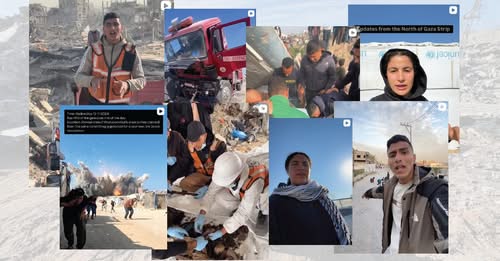
As the conflict in Gaza intensifies and on-the-ground reporting from traditional news outlets faces restrictions and challenges, a new wave of citizen journalists has taken center stage, shedding light on stories that might otherwise go unnoticed. Using social media platforms and mobile technology, these everyday observers are providing vital, real-time updates from the harrowing scenes on the ground.
Historically, reporting from conflict zones like Gaza has been fraught with logistical, safety, and political hurdles. International news agencies often rely on restricted access, official statements, or remote analysis, which can create gaps in the narrative. In recent weeks, however, locals and volunteers armed with smartphones and social media accounts have stepped into this void, transforming their personal experiences into compelling journalism that reaches a global audience.
Such citizen journalism offers unfiltered insights into life amidst chaos, capturing moments that mainstream outlets might shy away from or be unable to verify quickly. From distressing scenes of destruction to stories of resilience and hope, these grassroots reports provide a nuanced perspective that complements traditional coverage.
One notable example is the proliferation of video footage and live streams from Gaza residents, depicting the devastating impact of ongoing airstrikes and ground combat. These firsthand accounts have played a crucial role in informing international audiences, bypassing potential censorship or delays. Social media hashtags such as #GazaUnderAttack or #GazaStories have trended worldwide, amplifying these voices and drawing global attention to urgent humanitarian needs.
However, citizen journalism in conflict zones also raises questions about accuracy, safety, and the potential spread of misinformation. Experts emphasize the importance of verifying sources and corroborating stories when relying on user-generated content. Despite these challenges, the authenticity and immediacy of citizen reports have made them an indispensable part of the current coverage landscape.
Organizations and advocacy groups have also recognized the value of grassroots reporting. Some are facilitating training for local volunteers, helping them to produce safer, more effective journalism. This movement underscores a broader shift in how news is gathered and shared—one that democratizes information and empowers individuals affected by conflict to tell their own stories.
In a time where traditional journalism faces restrictions and setbacks, these citizen journalists are proving that even in the darkest moments, local voices matter — offering a powerful reminder that truth can come from the most unexpected sources.