
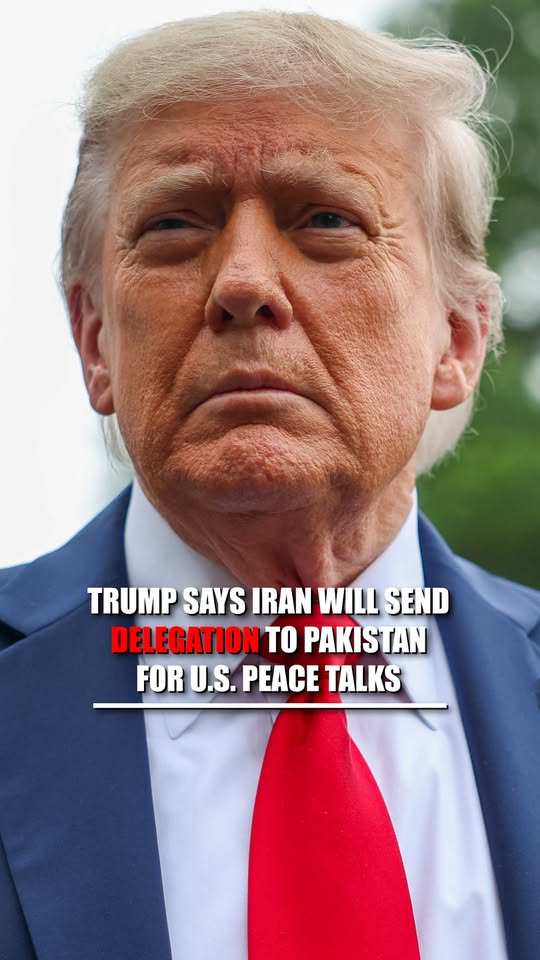
In a development that has sent shockwaves through the international community, former President Donald Trump signaled a renewed willingness for direct negotiations with Iran, asserting that Tehran has “no choice” but to send officials to Islamabad, Pakistan, for talks. This statement marks a notable shift from recent heightened tensions, yet the atmosphere remains fraught with pressure and unresolved conflicts.
According to sources close to the Trump administration, the move appears to be part of a strategy to bring Iran back to the negotiating table after months of increased sanctions and diplomatic stalemate. Trump’s remarks suggest a mix of optimism and assertiveness: “They have no choice.” The specifics of what Iran might gain or concede in return remain unclear, but experts believe the U.S. is leveraging multiple pressure points, including military posturing.
Meanwhile, the U.S. military continues to tighten its grip on the region, just hours ahead of a looming ceasefire expiration. In a dramatic show of force, U.S. forces recently boarded a tanker accused of illegally supporting Iran’s regional activities. The vessel was suspected of transporting goods and resources to Iranian proxies, raising fears of escalation on maritime routes vital to global oil supplies.
Furthermore, a naval blockade remains actively in force, targeting Iran’s maritime commerce. This move, coupled with increased patrols and interdictions, underscores the U.S. stance of maximized pressure, aiming to curb Iran’s ability to fund its regional activities and advance its nuclear ambitions.
Geopolitical analysts warn that while negotiations are back on the table, the current environment is volatile. Iran, for its part, has condemned the recent naval actions, vowing to respond if its maritime interests are infringed upon further.
The regional stakes are high, with Islamabad positioned as a neutral ground potentially hosting talks that could de-escalate or exacerbate the situation. As the clock ticks towards the short-lived ceasefire’s expiration, international leaders watch anxiously, hoping for a solution that avoids further military escalation and fosters dialogue.
Despite Trump’s confident tone and the resumption of diplomatic efforts, the path ahead remains uncertain. The confluence of direct talks, military posturing, and ongoing naval confrontations exemplifies the precarious nature of the current geopolitical climate.