
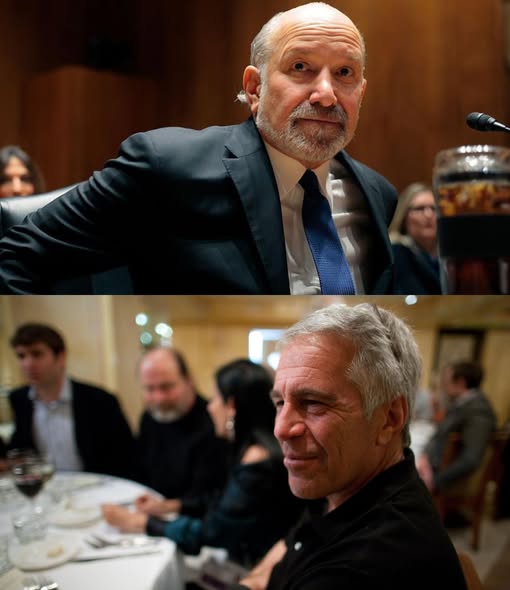
In a stunning development that has reignited questions surrounding Jeffrey Epstein’s network and its ties to powerful figures, Howard Lutnick, President and CEO of Cantor Fitzgerald and former Commerce Secretary under Donald Trump, faced a tense closed-door House Oversight Committee session. Lawmakers grilled Lutnick over his connections to Epstein, revealing a pattern of evasive answers, conflicting statements, and troubling omissions.
The controversy centers around Lutnick’s visits to Epstein’s infamous private island. Previously, Lutnick claimed that after a disturbing encounter with Epstein around 2005, he and his wife decided to avoid the convicted sex offender entirely. He insisted they would never be in the same room with Epstein again. However, records and reports indicate otherwise.
In 2012, well after Epstein’s 2008 conviction and subsequent scandal, Lutnick took his wife and children on a trip to Epstein’s private island—the very place Lutnick previously claimed he had cut from his life permanently. When questioned about this visit, Lutnick reportedly told lawmakers that he could not remember why he traveled there, nor could he explain his participation. His inconsistent recollections raised eyebrows and left many wondering about the true nature of his relationship with Epstein.
Adding to the intrigue, Lutnick once publicly called Epstein “the greatest blackmailer ever” and implied that Epstein recorded powerful men, including prominent politicians and business leaders. These comments, made before the House committee, underscored the troubling possibility that Epstein’s influence reached into corridors of power. Yet, when pressed further, Lutnick appeared to back away from these allegations, suggesting that he had only spoken with some administration officials and then changed his stance.
Democrats on the committee criticized Lutnick’s evasiveness, describing him as “nervous,” “dishonest,” and “evasive,” with Congressional members demanding transparency and accountability. Lawmakers such as Ro Khanna accused Lutnick of being advised to stay silent or change his story, raising concerns about a broader cover-up involving elite figures who sought to protect their reputations.
This spectacle highlights the ongoing challenge of uncovering the full extent of Epstein’s network. Critics argue that the pattern of silence, delay, and denial serves to shield powerful individuals from accountability. If this were a Democratic administration or a figure associated with the opposition, there would nearly certainly be an outcry demanding public records, subpoenas, and high-profile investigations. Instead, the current political climate seems to favor guarded silence, or at least a reluctance to scrutinize conservative allies thoroughly.
As calls for transparency intensify, many are calling for Lutnick’s resignation, the release of all related documents, and a full investigation into Epstein’s relationships with influential figures. The message is clear: justice for Epstein’s victims demands that no stone be left unturned—regardless of political allegiance.
What remains undeniable is this: the story of Jeffrey Epstein, his network, and those who may have enabled or concealed his activities is far from over. As the public demands answers, the truth about Lutnick’s visits and his hidden connections to Epstein must come to light.