
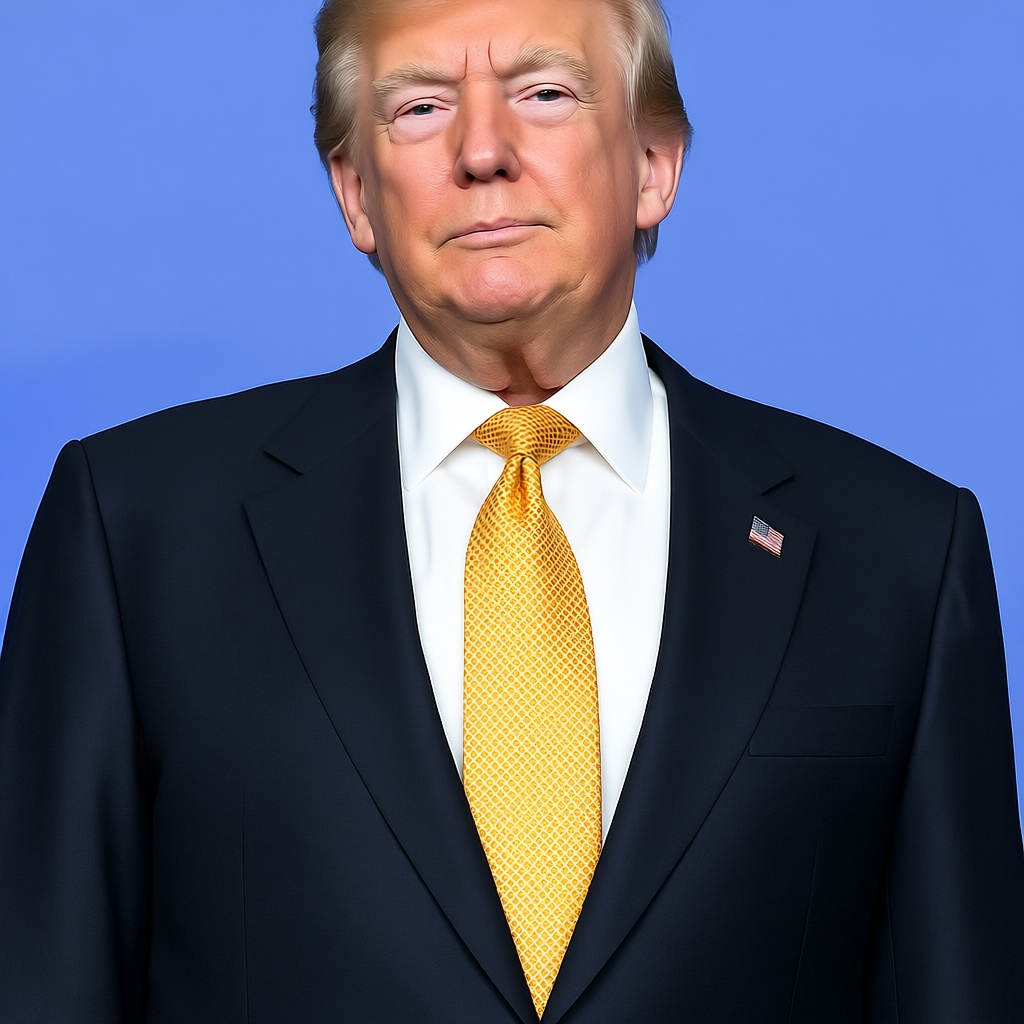
In a bold and somewhat controversial statement, President Donald Trump has once again cast Greenland into the spotlight, emphasizing its critical strategic value to the United States amid ongoing geopolitical shifts. The President argued that Greenland, the world’s largest island wound with vast Arctic resources, remains an indispensable asset for American defense and global security — a claim that has sparked widespread discussion both domestically and internationally.
During an interview and accompanying social media posts, President Trump remarked that Greenland holds a unique place in U.S. foreign policy. “Greenland is very important for the United States,” he stated, adding, “but it’s not important for Denmark.” The comment underscores a significant diplomatic and strategic stance, particularly considering Greenland’s status as an autonomous territory within the Kingdom of Denmark.
The President revisited historical ties, noting that the U.S. previously took responsibility for Greenland during World War II, supporting its defense against potential threats. “We should not have given it back to Denmark,” Trump suggested, implying that the island’s strategic importance might warrant more direct American involvement. While the U.S. relinquished military control post-WWII, many security experts believe Greenland’s Arctic location and vast natural resources have only increased in significance amid rising geopolitical competition.
Greenland’s geographical position makes it a valuable asset in the Arctic region, with potential access to untapped natural resources including rare minerals, oil, and gas. Its proximity to key international shipping routes has also elevated its importance amid the melting ice caps and climate change, opening new passages that could reshape global commerce. This has caught the attention of major powers, including China and Russia, intensifying the race for influence in the region.
The comments from President Trump have reignited debates over U.S. Arctic strategy, with critics questioning the feasibility and diplomatic implications of such a policy stance. Many argue that Greenland’s autonomous government and longstanding ties to Denmark make any move aggressive or destabilizing—potentially risking diplomatic fallout. Conversely, supporters argue that American strategic interests justify a more assertive stance on the island.
The discussion also echoes broader concerns about climate change, resource competition, and the shifting balance of global power. As Arctic ice recedes, the region’s geopolitical landscape is rapidly transforming, making Greenland a hotly contested prize in the eyes of world powers.
While the Trump administration has not yet announced specific plans regarding Greenland’s future status, the renewed focus underscores its importance on the global stage. Whether this signals a change in policy or simply serves as a strategic talking point remains to be seen. For now, Greenland remains a symbol of the complex intersection of climate, geopolitics, and security in the 21st century.
Where to Learn More
- Trump’s Push for Greenland Beyond Climate Concerns – CNN
- Greenland’s Role in Arctic Geopolitics – BBC News
- Greenland and Arctic Geopolitical Shifts – Brookings Institution
- Climate Change and Greenland’s Resources – National Geographic