
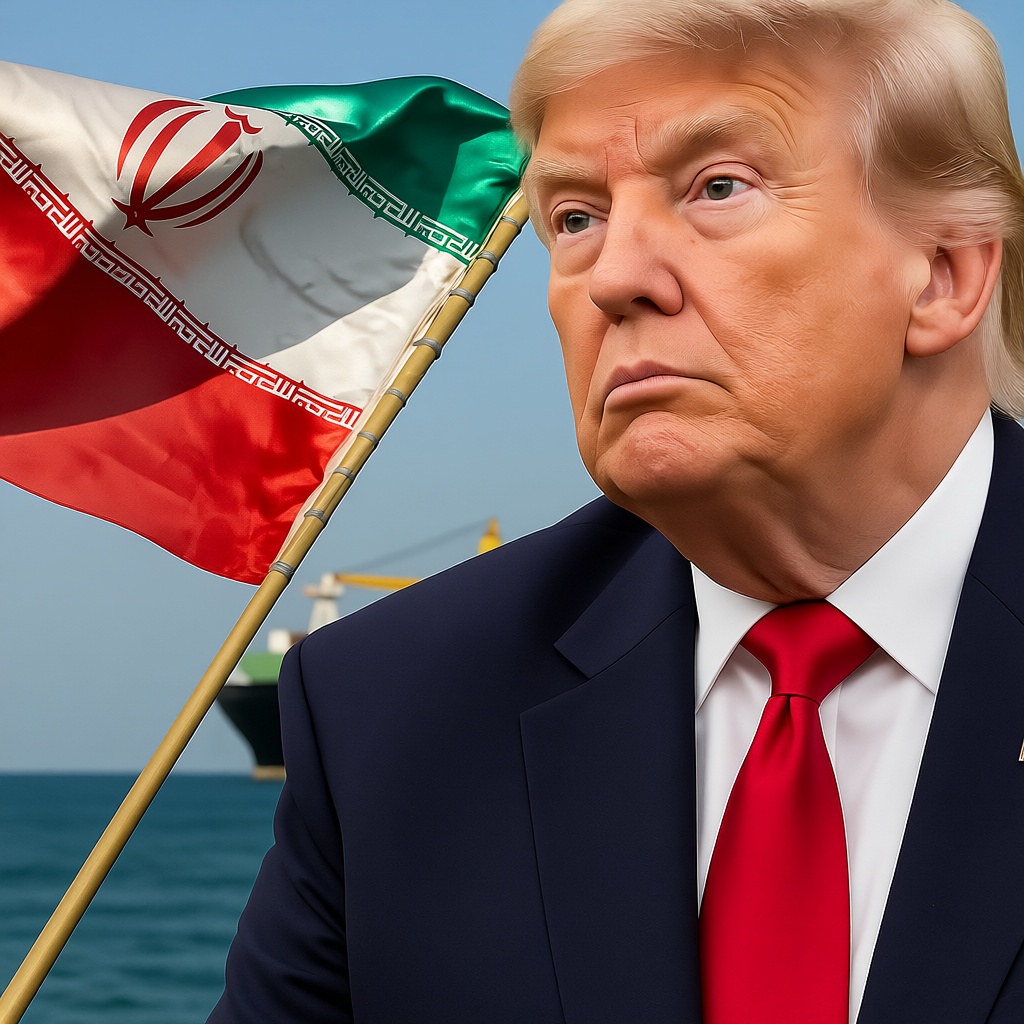
In a dramatic escalation of ongoing tensions in the Persian Gulf, the U.S. Central Command (CENTCOM) has announced that American forces have conducted additional military strikes against Iran. This move, reportedly ordered by President Donald Trump, aims to counter what the U.S. describes as recent Iranian provocations threatening free navigation through the strategic Strait of Hormuz.
According to CENTCOM, the strikes are part of an effort to degrade Iran’s ability to conduct “unjustified aggression” against commercial shipping and civilian crews. The Strait of Hormuz, a critical chokepoint for global oil transportation, has been a lightning rod for regional tension for years. The U.S. asserts that Iran’s recent actions, which include harassment of vessels and alleged missile attacks, undermine international efforts to maintain the safety and freedom of navigation in the waterway.
In a statement, CENTCOM emphasized that the United States remains committed to protecting commercial shipping in the region. “These targeted strikes demonstrate our resolve to hold Iran accountable for its destabilizing actions,” said a CENTCOM spokesperson. “The United States will not tolerate Iran’s aggressive behavior that threatens regional stability and global energy markets.”
The news of additional strikes comes amidst heightened alert levels in the region, with diplomatic efforts ongoing to de-escalate the situation. Iran has denounced the strikes, accusing the U.S. of unjustified aggression and interference in regional affairs. Iranian officials have threatened retaliation, raising fears of a broader escalation in the Gulf area.
Experts warn that the recent actions underscore the fragile state of security in the Persian Gulf. “Both sides are engaging in a dangerous game of brinkmanship,” said Dr. Laura Simmons, a foreign policy analyst. “While the U.S. aims to secure maritime routes, Iran’s response indicates a hardening stance, which could lead to unintended conflict.”
The international community is closely watching, with several countries urging dialogue and restraint. The United Nations has called for de-escalation to prevent any inadvertent armed confrontation that could destabilize the region further and impact global markets.
As tensions continue to rise, the coming days are seen as crucial in determining whether diplomacy or military action will shape the future of the region. The strikes mark a significant chapter in the ongoing confrontation between the U.S. and Iran over control, security, and regional influence.