In a declaration that has sent shockwaves through international diplomatic circles, President Donald Trump threatened to escalate military action against Iran if the country breaches the terms of the recent peace agreement or fails to adhere to its commitments.
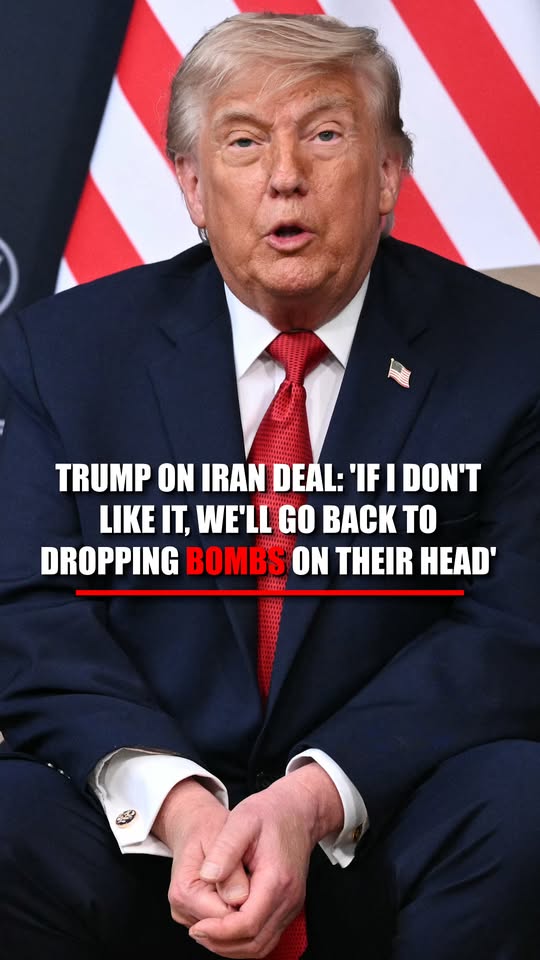
During a recent speech, President Trump delivered a blunt warning to Iran, stating, “If I don’t like it, we’ll go back to shooting at them, dropping bombs on their head.” The statement underscores the ongoing tension between the United States and Iran, emphasizing the administration’s stance on military readiness should diplomacy fail.
Trump’s warning comes amid ongoing concerns over Iran’s adherence to the terms of the nuclear deal and regional behavior. He contrasted this approach with the Obama-era JCPOA (Joint Comprehensive Plan of Action), criticizing the previous administration’s strategy of diplomacy combined with economic incentives. “They tried to bribe their way out of it,” Trump said, criticizing the deal’s perceived leniency. “You know what the Iranians did? They laughed at Obama and they said, ‘He’s a stupid son of a b****.’”
This stark language marks a departure from diplomatic rhetoric and signals a more aggressive stance from the current administration, which has frequently emphasized strict enforcement of sanctions and a readiness to use military force if necessary. The warning also aligns with broader efforts to pressure Iran back into compliance or face the potential consequences of renewed conflict.
Analysts suggest that Trump’s comments reflect ongoing frustrations within the U.S. government about Iran’s regional activities, ballistic missile tests, and alleged support for proxy groups. While the administration advocates for diplomacy, it is clear that the threat of military action remains a tool in their geopolitical strategy.
International observers are watching closely, as rhetoric of this kind raises concerns of escalation in a region already fraught with tension. Experts warn that words like these could increase the risk of miscalculation, underscoring the fragile balance between diplomacy and military posturing.
Despite the aggressive language, some U.S. officials continue to emphasize that dialogue remains an option, though conditions on the ground and Iran’s responses will ultimately determine the path forward. Meanwhile, the global community braces for potential fallout, and stakeholders urge restraint to prevent another regional conflict.