
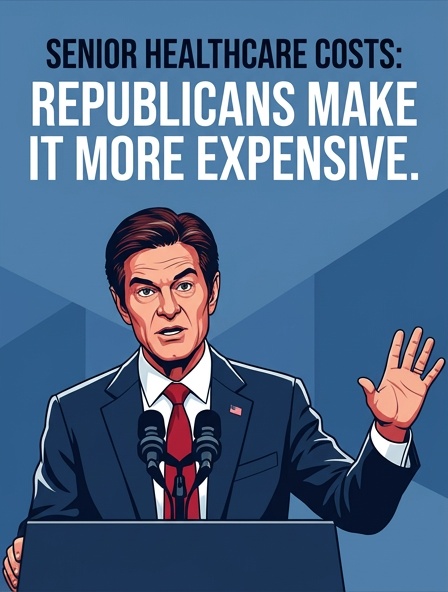
As debates over healthcare policy continue to dominate the political landscape, a growing chorus of critics argue that current efforts by President Donald Trump and the Republican Party are making healthcare less affordable for America’s seniors. From proposed Medicare changes to Medicaid shifts, policies implemented over recent years are raising concerns about escalating costs at a time when seniors can least afford it.
Costly Changes to Medicare have become a focal point amid ongoing legislative debates. Critics highlight that recent legislation has introduced higher premiums, copayments, and limited coverage options for Medicare beneficiaries. While officials tout these changes as necessary for fiscal sustainability, seniors report feeling the financial squeeze — often forcing difficult choices between healthcare and other essential expenses.
According to recent analysis, vital medications and procedures that seniors rely on are becoming increasingly expensive. “The Trump administration’s efforts to broaden the prescription drug market through policies favoring big pharmaceutical companies have directly impacted medication prices, making it harder for seniors to afford vital prescriptions,” notes health policy expert Dr. Lisa Martinez.
Medicaid Rollbacks and State-Level Shifts have also contributed to rising costs. Many Republican-led states have adopted policies to curb Medicaid expansion or cut benefits, limiting access to necessary care for low-income seniors. These policy shifts often result in seniors paying more out of pocket or forgoing care altogether, exacerbating health disparities.
Additionally, recent moves to encourage private health plans for seniors—such as promoting Medicare Advantage plans—are criticized for reducing transparency and sometimes increasing costs. While some seniors find these plans offer attractive benefits, others face unexpected charges as they navigate complex premium structures and coverage limitations.
Of particular concern is the ongoing push to privatize parts of the healthcare system, which critics argue risks prioritizing profits over patient care. This approach, they say, inadvertently drives up prices and limits access for seniors relying on fixed incomes.
Meanwhile, senior advocacy groups warn that the cumulative effect of these policies will make it increasingly difficult for seniors to afford necessary healthcare. The mounting financial burden threatens longstanding gains in public health, with some experts fearing a future where many older Americans may opt to skip critical treatments due to costs.
In contrast to these policies, Democrats advocate for protecting and expanding Medicare and Medicaid programs, emphasizing the importance of affordable healthcare for seniors. As the debate intensifies, seniors and their families are watching closely — hoping for policies that prioritize their health and financial security over partisan interests.
As the nation approaches upcoming elections, the stakes are clear: the direction of healthcare policy will significantly impact millions of seniors struggling with rising costs. It remains to be seen whether bipartisan efforts will emerge to curb these cost increases or whether political divides will continue to deepen the financial challenges facing America’s aging population.
Where to Learn More
- Analyzing the Impact of Health Policy Changes on Medicare Beneficiaries – Kaiser Family Foundation
- Medicaid Benefits Overview – Medicaid.gov
- How Republican Policies Are Affecting Healthcare Costs for Seniors – Health Affairs
- Why Affordable Healthcare Matters for Seniors – National Council on Aging