
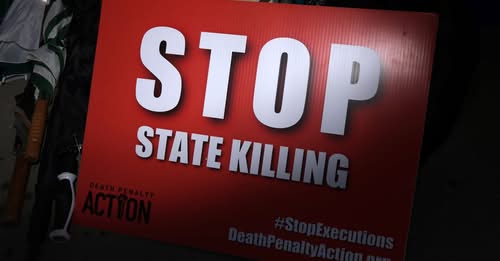
In recent weeks, social media has once again spotlighted a harsh truth that remains painfully unresolved: there is no acceptable way to practice state violence that has historically been intertwined with terror for Black Americans. As protests surge and voices amplify call for justice, the widespread recognition grows that systemic violence inflicted by authorities cannot be justified or tolerated.
Throughout history, Black communities have borne the brunt of state-enforced brutality. From police killings to the often lethal application of laws rooted in racial bias, the pattern is disturbingly consistent. The cases of George Floyd, Breonna Taylor, and countless others underscore a tragic reality: state violence against Black Americans has long been interwoven with fear, oppression, and trauma.
Equating police violence with terror isn’t hyperbole. For many Black individuals and their families, encounters with law enforcement are shrouded in fear—not only of harm but of the everyday threat that systemic racism imposes. This persistent environment of threat echoes historical narratives of terror—acts of violence designed to subjugate and dehumanize entire communities.
Critics argue that this cycle of violence perpetuates a worldview where Black lives are undervalued, and state actors operate without sufficient accountability. Calls for reform often clash with entrenched practices that have persisted for generations. The recent surge in public demonstrations is a testament to widespread frustration—demanding not just police reforms, but fundamental changes to the justice system itself.
Legal and societal reckonings are underway. Policy proposals aimed at increased accountability, demilitarization of police forces, and transparent investigations suggest a growing public consensus that violence inflicted by the state cannot be normalized or dismissed. Yet, many activists warn that true change requires confronting the systemic roots of these injustices.
Representation matters. As social media continues to serve as a platform for storytelling, personal testimonies reveal the emotional toll of living under the shadow of state violence. These stories are powerful reminders that beyond statistics, real lives are affected by policies and practices rooted in racial injustice.
It is imperative to recognize that there are limits to what is acceptable in a just society. No act of violence enacted by state institutions can be justified when it replaces justice with terror. As communities demand accountability, the message is clear: lasting change requires dismantling the structures that enable racialized violence and ensuring that Black lives are valued and protected equally under the law.
Where to Learn More
- How Police Brutality Became a Systemic Issue in America – The New York Times
- The Legacy of Police Violence in the United States – Human Rights Watch
- Black Americans and State Violence: A Historical Perspective – BBC News
- A Timeline of Police Violence in America – The Conversation
- Reforming the Justice System to End State Violence – APolitical