
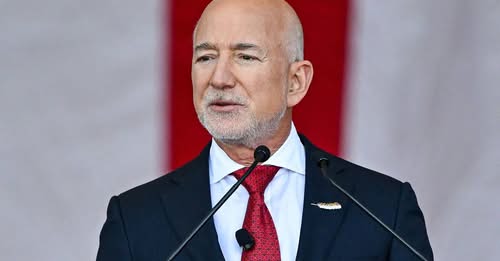
In recent social media debates, one argument has gained significant traction among some of America’s wealthiest figures: the proposal to eliminate income taxes for the bottom 50% of American earners. While superficially appealing—appearing to champion economic fairness—many critics warn that this idea masks deeper issues and could pose serious political risks.
At the heart of the controversy lies a critical insight: the proposal allows billionaires to appear generous while keeping the current structure of wealth largely intact. By advocating for reducing or eliminating income taxes for a large swath of Americans, wealthy elites can craft an image of benefactors and reformers. However, this approach risks diverting attention from the systemic issues that sustain wealth disparity, such as tax loopholes, capital gains taxes, and inherited wealth.
Promoters of the idea might argue that reducing taxes on lower-income Americans could boost consumption, stimulate economic growth, and address income inequality. Yet, critics contend that such measures do little to challenge the entrenched mechanisms that concentrate wealth within a small elite. Instead, they risk becoming a form of income transfer that benefits the wealthy indirectly by public perception, without addressing the root causes of economic inequality.
Political analysts warn that this strategy could serve as a distraction, framing the wealthy as *philanthropic* and *benevolent,* even as their overall tax contributions remain relatively unchanged. The result is a shift in public discourse—focusing on superficial giveaways rather than comprehensive reforms that could genuinely overhaul the tax system—such as stronger estate taxes, closing loopholes, and taxing capital more fairly.
Moreover, critics emphasize that this narrative could effectively entrench existing power structures. Instead of engaging in meaningful reforms that could reduce inequality, politicians and billionaires may capitalize on popular support for tax relief without making systemic changes. This dynamic risks creating a cycle where wealth remains concentrated, and economic mobility stagnates.
This debate underscores a broader concern about how economic policy is shaped by narratives that favor the few over the many. While the idea of eliminating taxes for lower earners sounds progressive at first glance, its political danger lies in its potential to obscure the deeper manipulation of policies that preserve the status quo.
As discussions continue, voters and policymakers alike should scrutinize the full implications of such proposals. True economic justice demands more than superficial transfers; it requires structural reforms that address the fundamental disparities in wealth and power.
Where to Learn More
- The Political Risks of Wealthy Elites’ Tax Strategies – The New York Times
- Why Bezos’s Tax Offer Could Backfire Politically – The Washington Post
- Reforming the Tax System to Address Wealth Inequality – Brookings Institution
- The Myth of the Wealth Tax as a Solution to Inequality – Cato Institute