
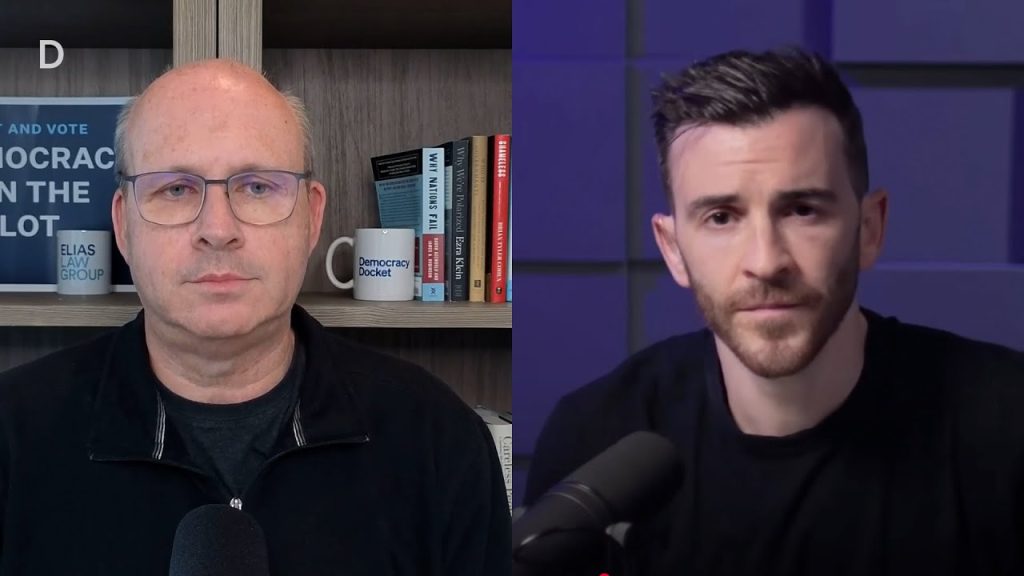
The title “Stop Pretending Like Trump Is Normal” encapsulates a crucial conversation in American politics as former President Donald Trump has reshaped the political landscape over the past several years. Brian Tyler Cohen’s commentary highlights a growing sentiment among many Americans and politicians alike: that the standards and norms once attributed to presidential behavior have been irrevocably altered in the Trump era.

Throughout his presidency and subsequent campaign endeavors, Trump’s actions have sparked significant debate about what constitutes “normal” political conduct. His incendiary tweets, dismissal of established political protocols, and polarizing rhetoric have pushed boundaries, challenging how both supporters and critics perceive acceptable behavior in office. As Cohen suggests, ignoring these deviations not only risks normalizing behavior that would have previously been considered outrageous but also adds complexity to the standards one might expect from future leaders.
In the political context of the 2024 election, where Trump is again positioning himself as a formidable candidate, the need for critical examination becomes even more pertinent. Polling indicates that while he retains a strong base of loyal supporters, many Americans are uneasy about the implications of his potential return to the Oval Office. This sense of unease is compounded by a broader national conversation about accountability, democracy, and the erosion of traditional civic values.
The movement to perceive Trump through a critical lens challenges both the media and the electorate to reconsider which attributes and behaviors should be seen as acceptable in political leadership. As political dialogue evolves, the importance of maintaining a healthy skepticism towards abnormal conduct cannot be overstated. Recognizing the potential consequences of normalizing extreme behaviors may very well shape the trajectory of American politics for years to come.
Where to Learn More
- The New York Times – In-depth analysis and coverage of political events and figures.
- The Washington Post – Comprehensive political reporting and commentary.
- Politico – Political news and analysis on policy and campaigns.
- Axios – Up-to-date information and insights on politics and policy.
- FiveThirtyEight – Data-driven political analysis, including polling and trends.