As the nation prepares to reaffirm its core values of liberty and equality, concerns are mounting over the Trump administration’s recent efforts to redefine and narrow the scope of religious freedom. Central to this debate is the so-called “Religious Liberty Commission,” which many critics argue is advancing a limited interpretation of religious rights that privileges certain voices while silencing others.
At the heart of the controversy is the perception that the administration’s policies distort the fundamental promise embedded in the Constitution. Instead of broad protections for religious exercise, critics say these efforts are crafting exceptions that could undermine the rights of marginalized groups, including LGBTQ+ individuals, women, and non-Christian communities.
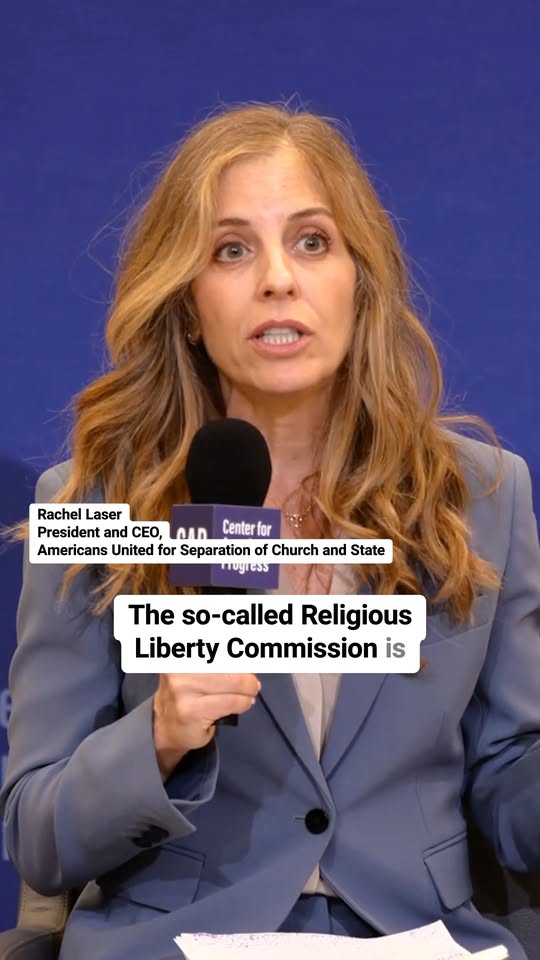
Rachel Laser, President and CEO of Americans United for Separation of Church and State, has been especially vocal about the implications of these policies. In an interview, she expressed concern that the administration’s approach to religious liberty is ‘favoring a narrow, privileging interpretation that threatens to erode the foundational principle that religious freedom must be protected equally for everyone.’
“When we start to pick and choose which religious beliefs get extra protections and which don’t, we undermine the very equality that the Constitution guarantees,” Laser stated.
Historically, the First Amendment has been understood to secure both the free exercise of religion and the separation of church and state. However, critics argue that the current administration’s initiatives—from federal funding stipulations to legal policies—are increasingly blurring the lines between religious liberty and religious dominance.
Legal experts and advocacy groups warn that such policies could allow religious organizations or individuals to claim exemptions from laws intended to promote equality, often at the expense of marginalized populations. For example, recent measures have sparked criticism for enabling healthcare providers to deny services based on religious beliefs or for shielding businesses that refuse to serve LGBTQ+ customers on religious grounds.
The debate has sparked a broader national discussion about the meaning of religious freedom in a diverse society. Advocates urging a more inclusive interpretation argue that true religious liberty must respect the rights and dignity of all Americans, not just a privileged few.
As this controversy unfolds, many are calling on policymakers to reaffirm the nation’s commitment to the Constitution’s promise of liberty and equality for all. The upcoming discussions and legal debates could shape the direction of religious freedom protections for years to come, making it crucial for the public to stay informed and engaged.
Where to Learn More
- Trump Administration Rewrites Religious Liberty — Americans United for Separation of Church and State
- Critics Slam Trump’s Narrow View of Religious Freedom — NPR
- Advocates Warn of Increasing Inequality Under New Religious Policies — Human Rights Watch
- The Future of Religious Liberty in America — CNN