
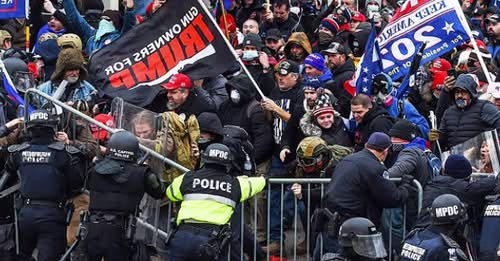
The debate over a proposed nearly $2 billion taxpayer-funded compensation package for January 6 Capitol attack defendants has ignited a wave of concern within Senate Republican ranks. While the bill aims to address the legal costs faced by those accused of participating in the deadly riot, many GOP members are now questioning the political optics of providing substantial funding to individuals linked to the attack — often described as “Trump terrorists” by critics.
The controversy centers around how the federal government plans to allocate funds for legal defense and potential payouts to defendants charged in connection with the violent assault that disrupted the certification of the 2020 presidential election. The bill, which has gained support from some Democrats, seeks to cover mounting legal expenses faced by individuals accused of assaulting police officers, vandalizing federal property, and participating in seditious acts.
However, a significant faction of Senate Republicans is expressing concern about the optics of such a large financial commitment, especially considering the attack’s association with supporters of former President Donald Trump. “Allocating nearly $2 billion to individuals who stormed the Capitol undermines the rule of law and gives the appearance that we’re rewarding violent extremism,” said one GOP senator who requested anonymity. Their concern reflects a broader unease about how the bill might be perceived by the American public and the potential political fallout.
Some party members argue that the bill could be seen as enabling or financ ing individuals responsible for violence — a perspective that has gained traction amid a polarized political climate. Critics point out that many defendants are accused of aggressive and sometimes violent actions toward law enforcement officers, which has intensified public outrage and debate over whether taxpayers should shoulder such costs.
Supporters of the bill counter that legal representation is a fundamental right and that many individuals, regardless of their participation in the riot, deserve proper defense. They emphasize that the bill is primarily about ensuring justice and due process, rather than rewarding criminal conduct. Nevertheless, the rising opposition within their ranks highlights the delicate balancing act faced by Senate Republicans, who are wary of being perceived as soft on crime linked to the Capitol riot.
The political repercussions extend beyond party lines as the nation grapples with questions about accountability, extremism, and the appropriate use of taxpayer funds. As the debate intensifies, political analysts predict this issue could become a litmus test for party loyalty and public perception of justice and fairness in the post-Jan. 6 landscape.
With the bill’s future uncertain, many are watching closely to see whether Senate Republicans will rally behind the measure or continue to voice concerns over its implications. This showdown underscores the ongoing struggle to confront the aftermath of the Capitol attack while navigating the complex terrain of American political polarization.