
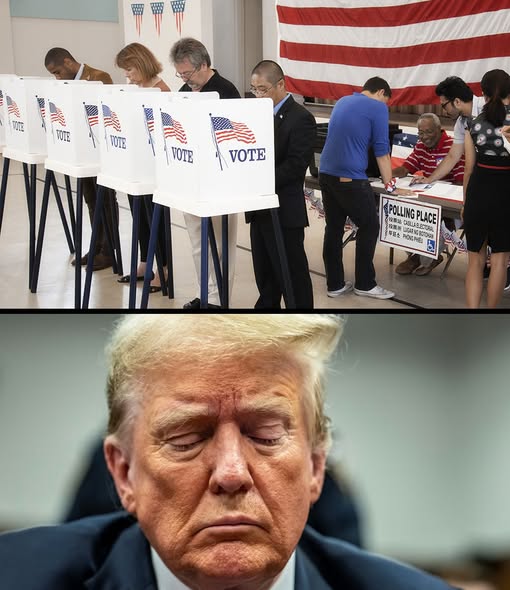
The recent decision by the Senate to block the SAVE Act (Safeguard American Voter Eligibility) marks a crucial victory in the ongoing battle to protect voting rights in the United States. After two separate attempts to pass the legislation, the Senate ultimately refused to advance what critics have called sweeping and unfair restrictions designed to make it harder for millions of Americans to cast their ballots.
The SAVE Act, championed during the Trump administration, was portrayed by supporters as an effort to prevent voter fraud. However, opponents swiftly argued that the bill’s true intent was to create barriers rather than safeguards. The legislation faced fierce opposition and failed to clear the 60-vote threshold necessary to move forward—an outcome that many see as a clear indication of its unpopularity and questionable necessity.
What’s particularly telling, experts say, is the flimsy basis for the bill’s claims of voter fraud. According to the Heritage Foundation’s comprehensive database, suspected noncitizen voting cases have amounted to only 99 instances nationwide since 2000—an insignificant figure that critics describe as a “rounding error.” There is no evidence to suggest voter fraud is a widespread threat requiring sweeping legislation.
Despite this, the bill would have imposed significant bureaucratic hurdles—requiring voters to produce birth certificates matching their current legal names or passport documentation, effectively disenfranchising countless eligible voters. In fact, approximately 69 million married women across the country lack birth certificates that reflect their current names. Meanwhile, only about half of U.S. citizens possess a valid passport. This suggests the bill could have inadvertently turned voting into a pay-to-play scheme for many Americans, disproportionately impacting marginalized communities.
The real impact — and motivation — behind the legislation was clear to many observers. More than 21 million Americans of voting age lack ready access to the documents required under the bill. These voters tend to be Black, low-income, young, rural, or seniors—groups that have historically faced challenges in voting and are often targeted by restrictive laws. The intent, many argue, was to suppress turnout among these populations, thereby benefiting certain political interests.
Even former President Donald Trump admitted that the bill’s ultimate goal was to “guarantee the midterms,” underscoring the partisan motivations behind this legislation. Fortunately, the Senate—and ultimately democracy itself—stood firm by blocking the bill, preserving the voting rights of millions and reaffirming the principle that voting access should not be a privilege reserved for the few.
This decisive action by Senate lawmakers isn’t just procedural—it’s a moral stand in defense of American democracy. As voting rights advocates celebrate, the message is clear: attempts to undermine voter access through unfair legislation will be met with resistance, and the defense of democratic principles remains a shared priority across party lines.