
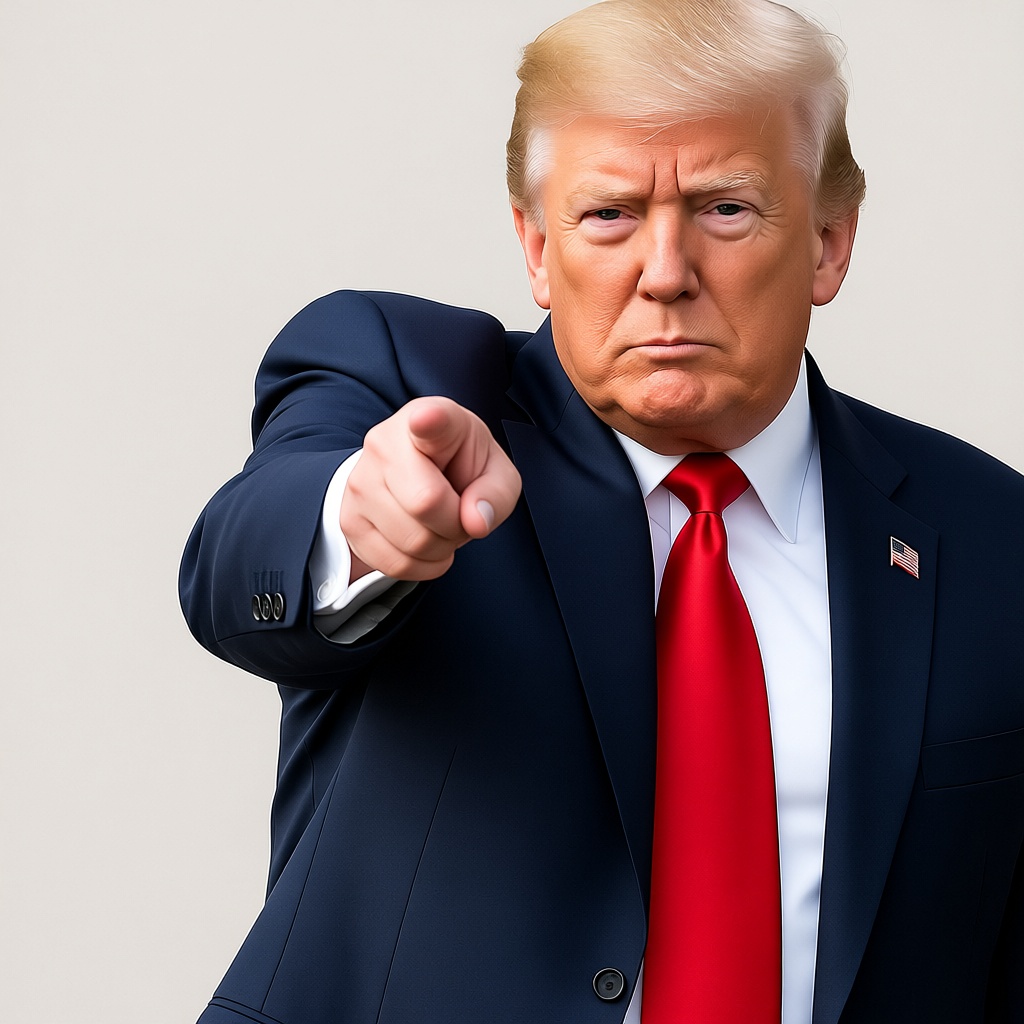
In a bold and defiant reaction to Iran’s recent threats against him, former President Donald Trump issued a stern warning, asserting that any attempt on his life would trigger a devastating response from the United States. The statement, circulated widely on social media, underscores the escalating tension between Washington and Tehran amid ongoing geopolitical confrontations.
According to a viral social media post, which features a strongly worded message from Trump, he declared, “If anyone tries to assassinate me or undertake any action against me, the United States will decimate and destroy Iran in response.” This warning marks a sharply escalation from previous diplomatic exchanges and highlights the volatile state of the U.S.-Iran relationship since Trump’s tenure in office.
The context for this fiery rhetoric stems from Iran’s recent condemnations and threats against the former president, who remains a prominent and controversial political figure in American politics. While Trump has long condemned Iran’s nuclear ambitions and regional influence, the recent threats have drawn a firm and uncompromising stance from him.
Analysts suggest that such comments serve multiple strategic purposes: to show strength and deterrence, rally his base, and send a clear message to Iran that any aggressive move would be met with overwhelming military force. Historically, U.S. presidents have used strong rhetoric in response to threats or acts of aggression, but critics worry that escalating language could risk further destabilization in an already volatile region.
Iran has yet to officially respond to Trump’s warning, but the potential for miscalculation remains a concern for international observers. Diplomatic channels are often strained, and any misstep could lead to unintended conflict. Experts urge caution and emphasize the importance of de-escalation, especially given recent tensions over Iran’s nuclear program and regional activities.
In the meantime, political analysts are closely monitoring the developments, recognizing the statement as a reflection of the ongoing rivalry between Iran and the United States—and the broader challenge of managing security in an era of shifting diplomatic norms. Both nations hold the capacity to spark conflict, making diplomacy, and clear communication more vital than ever to prevent unintended escalation.
This incident underscores the complex dynamics at play in Middle Eastern geopolitics and the continuing influence of former President Trump’s rhetoric on global security issues. It remains to be seen how Iran will respond formally and whether this fiery exchange will have lasting repercussions on international relations and regional stability.
Where to Learn More
- Iran-U.S. Tensions Escalate as Threats Grow – The New York Times
- Trump Warns Iran of ‘Decimate and Destroy’ Response – The Wall Street Journal
- U.S. and Iran Tensions Rise Amid Threats and Retaliation Fears – Reuters
- Analysis: The Implications of Trump’s Stark Warning to Iran – CNN