
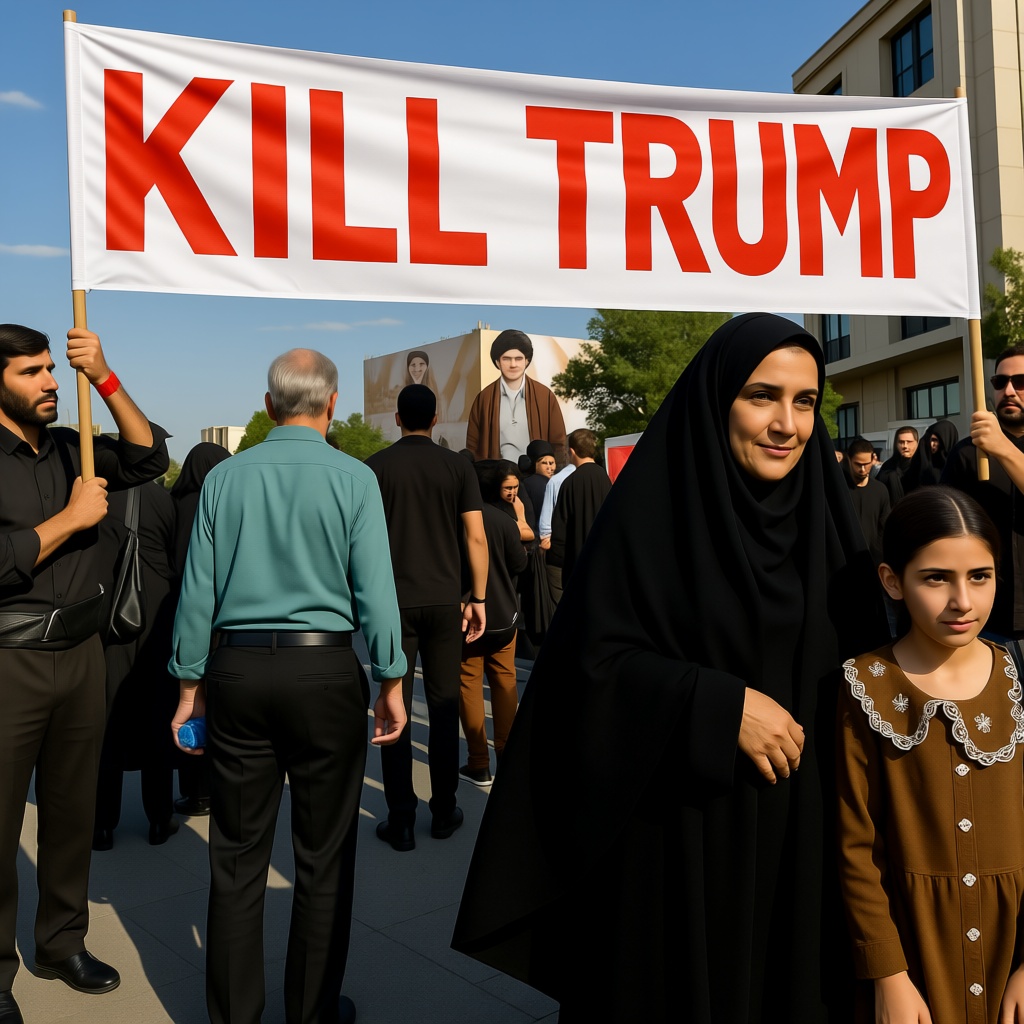
In recent times, social media platforms have been flooded with debates surrounding the morality and legality of targeted killings of national and international leaders. An increasingly vocal chorus argues that adhering to established international and domestic laws—and respecting the longstanding taboo against the assassination of political figures—remains critical for maintaining global stability, human rights, and diplomatic relations.
Historically, the assassination of leaders has often been associated with chaos, instability, and violence. From the killing of Archduke Franz Ferdinand that sparked World War I to more recent targeted drone strikes, these acts have frequently destabilized regions, claiming lives beyond the intended targets and sometimes inciting prolonged conflicts.
Advocates for adherence to legal and moral boundaries emphasize that violating the taboo on political assassination undermines the rule of law and sets dangerous precedents. Such actions often erode the ethical standards that underpin international diplomacy, fostering an environment where might becomes right and where leaders become vulnerable to extrajudicial killings outside established judicial processes.
Moreover, international conventions—such as the Geneva Conventions and United Nations resolutions—explicitly discourage and criminalize assassination endeavors, emphasizing state sovereignty and human rights. Many legal scholars argue that extrajudicial killings bypass due process, leading to a breakdown of judicial accountability and escalating cycles of violence.
The social media discourse underscores a pivotal point: resorting to violence compromises future diplomatic efforts and can provoke retaliations, thereby escalating regional and global conflicts. Experts warn that, instead of serving justice, targeted killings often generate martyrdom narratives and bolster anti-government sentiments, complicating peace processes.
This debate has gained urgency amid recent claims and counterclaims involving various nations, prompting international bodies and human rights organizations to call for renewed commitment to lawful and ethical conduct. Many experts advocate that resolving geopolitical disputes must rely on dialogue, negotiations, and lawful interventions—rather than clandestine or violent methods.
In conclusion, the enduring wisdom appears clear: respecting international and domestic laws and observing the taboo against leader assassination is essential for fostering a more just, stable, and peaceful world. As the social media conversation continues to underscore, adherence to legal norms isn’t just a matter of morality but a pragmatic foundation for long-term stability and international order.
Where to Learn More
- UN Peace and Security Resolutions – United Nations
- International Court of Justice – The Hague
- Amnesty International – Arms Control and Human Rights
- Human Rights Watch – Arms and Conflict
- Why Preserving International Law Matters – Foreign Affairs