
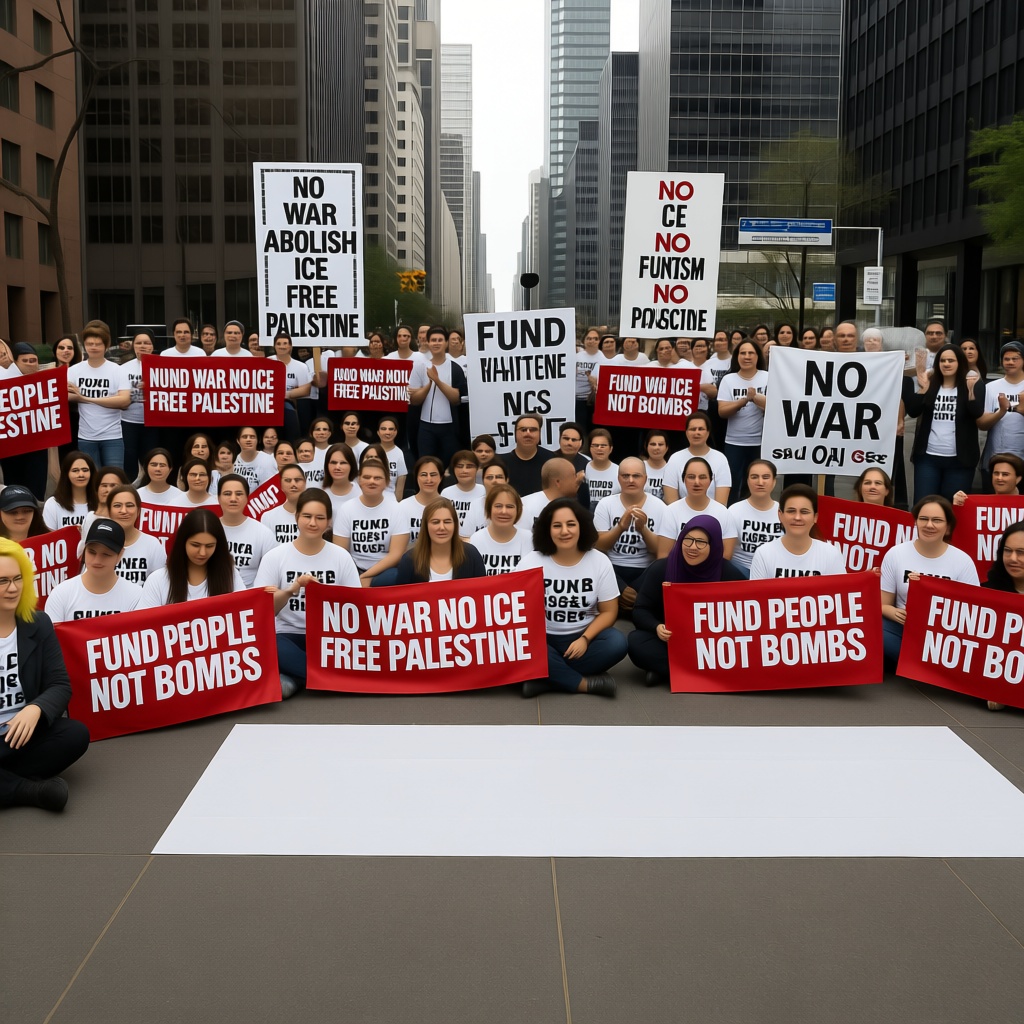
Amid escalating tensions in the Middle East, recent social media surveys reveal a significant shift in American Democratic voters’ perspectives on the Israel-Gaza conflict. Over half of Democratic respondents now believe that Israel is guilty of genocide in Gaza, and nearly 60% feel that the U.S. government is providing “too much support” to its longstanding ally in the region.
The findings, derived from a widespread social media poll, highlight a growing rift within the Democratic electorate regarding U.S. foreign policy and the Israel-Palestine conflict. Traditionally, many Democrats have maintained a supportive stance towards Israel, citing shared democratic values and strategic interests. However, recent events and media coverage seem to be influencing public opinion more profoundly than ever before.
According to the survey, approximately 55-60% of Democratic voters believe Israel’s military actions in Gaza amount to genocide. This stark perception is fueled by reports of escalating violence, civilian casualties, and the portrayal of Israel’s military operations as disproportionately destructive. Many respondents express concern over what they describe as a humanitarian crisis unfolding in Gaza, with some viewing Israel’s actions as deliberate efforts to eradicate Palestinian populations.
Equally striking is the finding that nearly 60% of Democratic voters feel that the U.S. government is “too supportive” of Israel. This sentiment reflects a growing dissatisfaction with the Biden administration’s steadfast backing of Israeli military actions and diplomatic support, amid mounting criticism over civilian harm and human rights concerns in Gaza. Some advocates and voters argue that the United States should adopt a more balanced approach, emphasizing diplomacy and humanitarian aid rather than unwavering support for Israeli military operations.
Experts suggest that these shifts may influence future U.S. foreign policy and domestic politics. “Public opinion is evolving rapidly, especially among Democratic voters who once strongly supported Israel,” said Dr. Laura Jenkins, a political analyst specializing in Middle Eastern policy. “This could lead to increased pressure on politicians to reconsider the U.S. stance and advocate for a more nuanced approach that prioritizes human rights and peace negotiations.”
The influx of social media-driven discourse underscores how grassroots opinion is shaping national conversations on foreign policy. As misinformation and emotional narratives spread, the challenge for policymakers will be to navigate a complex landscape of public sentiment while balancing strategic interests and human rights concerns.
Meanwhile, advocacy groups on both sides are ramping up efforts to influence public opinion, emphasizing the importance of informed, nuanced debate on the conflict. As these opinions continue to evolve, the coming weeks will be critical in understanding whether these attitudes translate into tangible political change or remain as vocal sentiments within the Democratic base.