
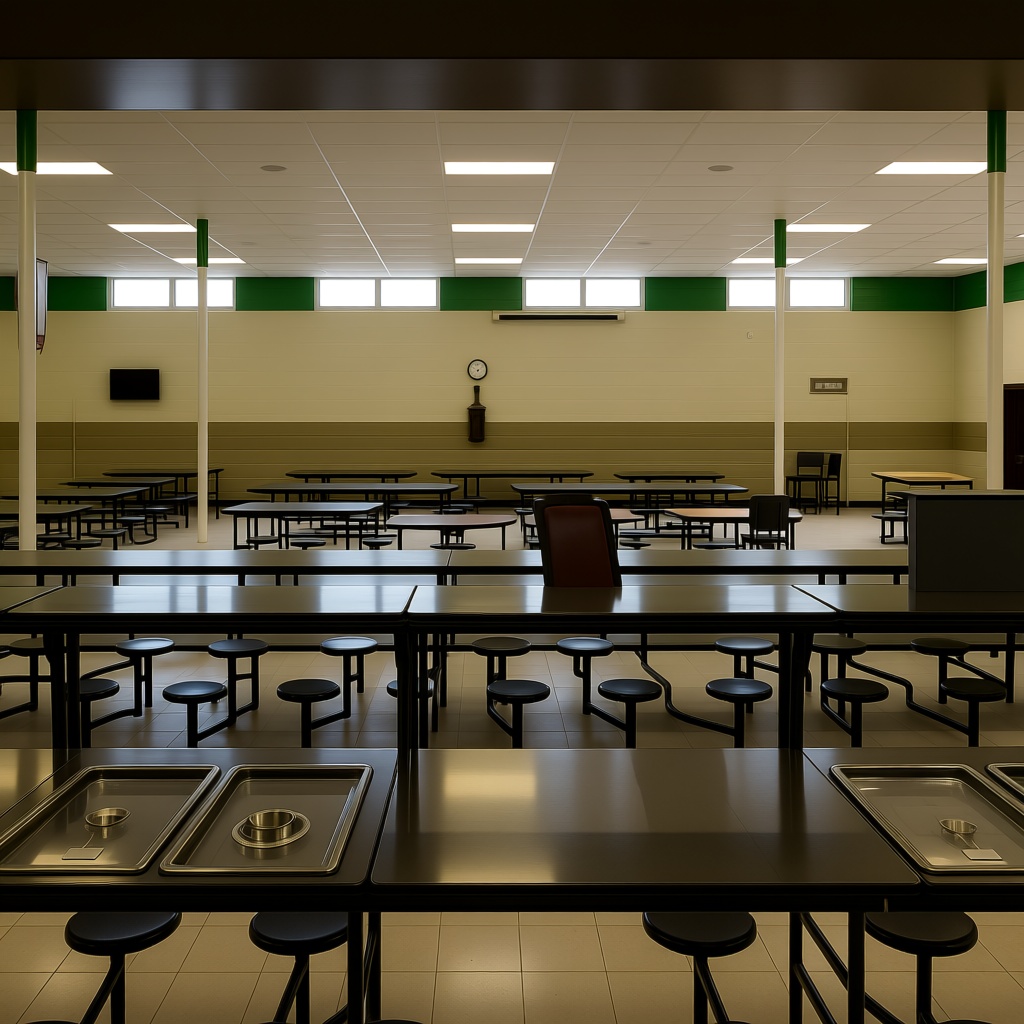
Amid ongoing debates in Congress, a proposed bill dubbed the “Big Beautiful Bill” by its architects is raising alarms across the nation. While touted as a measure to overhaul federal spending, critics warn that its sweeping cuts to key social programs could have devastating consequences for millions of vulnerable Americans, particularly students reliant on free school meals.
The bill proposes unprecedented reductions to critical safety net programs, including the Supplemental Nutrition Assistance Program (SNAP) and Medicaid. Although billed by supporters as necessary reforms to curb government excess, opponents argue that such cuts could push more Americans into poverty, worsen health outcomes, and destabilize families already struggling to get by.
Most notably, the legislation’s scope threatens to eliminate or drastically reduce the funding for free school meals, which serve over 30 million children nationwide. These meals are often the only reliable source of nutritious food for students from low-income families, and their availability has been linked to improved academic performance, health, and overall well-being.
Under current federal standards, qualifying children receive free or reduced-price meals through the National School Lunch Program. However, the “Big Beautiful Bill” aims to tighten eligibility criteria and slash overall funding. Experts warn that these changes could trigger a significant drop in meal participation, leaving hungry children without the nourishment they need to succeed in school.
Advocacy groups, educators, and community leaders have voiced their concerns, emphasizing that such cuts could have long-lasting impacts beyond hunger. Studies show that children facing food insecurity are more likely to experience developmental delays, chronic health issues, and absenteeism. Cutting these vital supports could exacerbate educational disparities and hinder social mobility.
“These proposed reductions threaten to undo years of progress in combating childhood hunger. When kids don’t eat properly, their ability to learn, focus, and succeed is compromised,” said Sarah Jenkins, director of the National School Nutrition Association. “We need bipartisan solutions that prioritize children’s health, not policies that punish the most vulnerable.”
Meanwhile, supporters of the bill argue that with the nation facing high inflation and a growing deficit, fiscal discipline is paramount. They contend that reforms to SNAP and Medicaid are necessary to ensure the sustainability of these programs in the long term. However, critics argue that these reductions disproportionately impact marginalized communities and vulnerable populations who rely on these programs for survival.
The controversy highlights a broader debate about the future of social safety nets in America. As the bill moves through Congress, community organizations are mobilizing to pressure lawmakers to safeguard funding for child nutrition and other essential services. The coming weeks will be crucial in determining whether bipartisan consensus can be reached to protect the well-being of millions of children and families.