
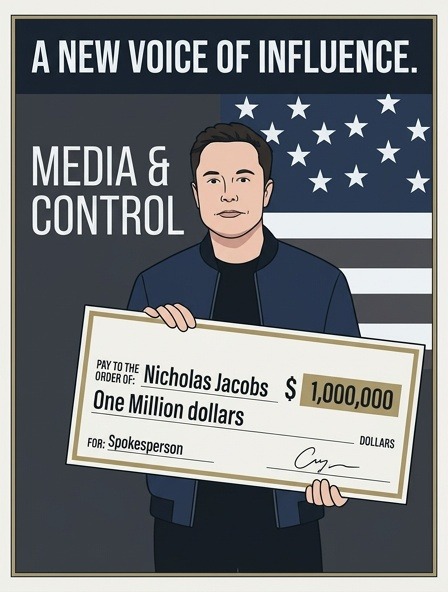
In recent weeks, social media users and advocacy groups have reignited concerns over the growing influence of wealthy oligarchs in the global media landscape. A viral comment captured widespread attention when a critic bluntly declared, “Have I mentioned lately that oligarch-owned media consolidation is bad?“—a stark reminder of the increasingly concentrated powers shaping news and information worldwide.
Media consolidation—the process by which a few corporate giants or wealthy individuals acquire control over large portions of the media—has long raised alarms among democracy advocates. However, today’s discussions are taking on new urgency as a handful of oligarchs reportedly wield enormous influence over major news outlets, online platforms, and entertainment companies. Critics argue that this consolidation threatens free speech, promotes misinformation, and hampers diverse perspectives essential for an informed citizenry.
Major media firms have historically undergone consolidation, but recent high-profile acquisitions have fueled fears that unseen wealthy hands are steering the flow of information. For instance, reports indicate that several outlets in the United States and abroad are increasingly owned or influenced by individuals with deep ties to geopolitics, finance, and even authoritarian regimes. This confluence of interests raises questions about editorial independence and the role of journalism as a watchdog.
“When a small group of oligarchs controls most of what we see, read, and hear, our democracy is in danger,” says Dr. Emily Carter, a media studies professor at Columbia University. “Consolidation can lead to echo chambers, biased reporting, and the suppression of dissenting voices, which undermines the very foundation of informed civic participation.”
Some critics also highlight the role of oligarchs’ influence on social media platforms, where algorithms tend to favor content that aligns with corporate or political interests. This creates a feedback loop that favors sensationalism, misinformation, and the marginalization of minority opinions. As a result, even independent voices find it harder to break through the noise, further entrenching the power of those with concentrated influence.
Despite public outcry, efforts to implement stricter antitrust regulations or transparency measures often face pushback from powerful interests eager to maintain their grip. This has led to increasing calls for consumers and policymakers to prioritize media diversity, transparency, and accountability.
In a time when information can sway elections, ignite protests, and influence foreign policy, many argue that scrutinizing oligarch-controlled media is vital to safeguarding democracy. The viral social media comment underscores a growing awareness and frustration among the public—an acknowledgment that unchecked media consolidation is dangerous and must be addressed.
Where to Learn More
- Columbia Journalism Review — The Impact of Media Ownership Concentration
- Brookings Institution — The Risks of Media Monopolies and Oligarch Influence
- CNN — How Oligarchs Are Shaping Modern Media Landscapes
- Reuters — Growing Concerns Over Media Concentration and Democratic Health
- Washington Post — The Threat of Media Consolidation to Democratic Discourse