
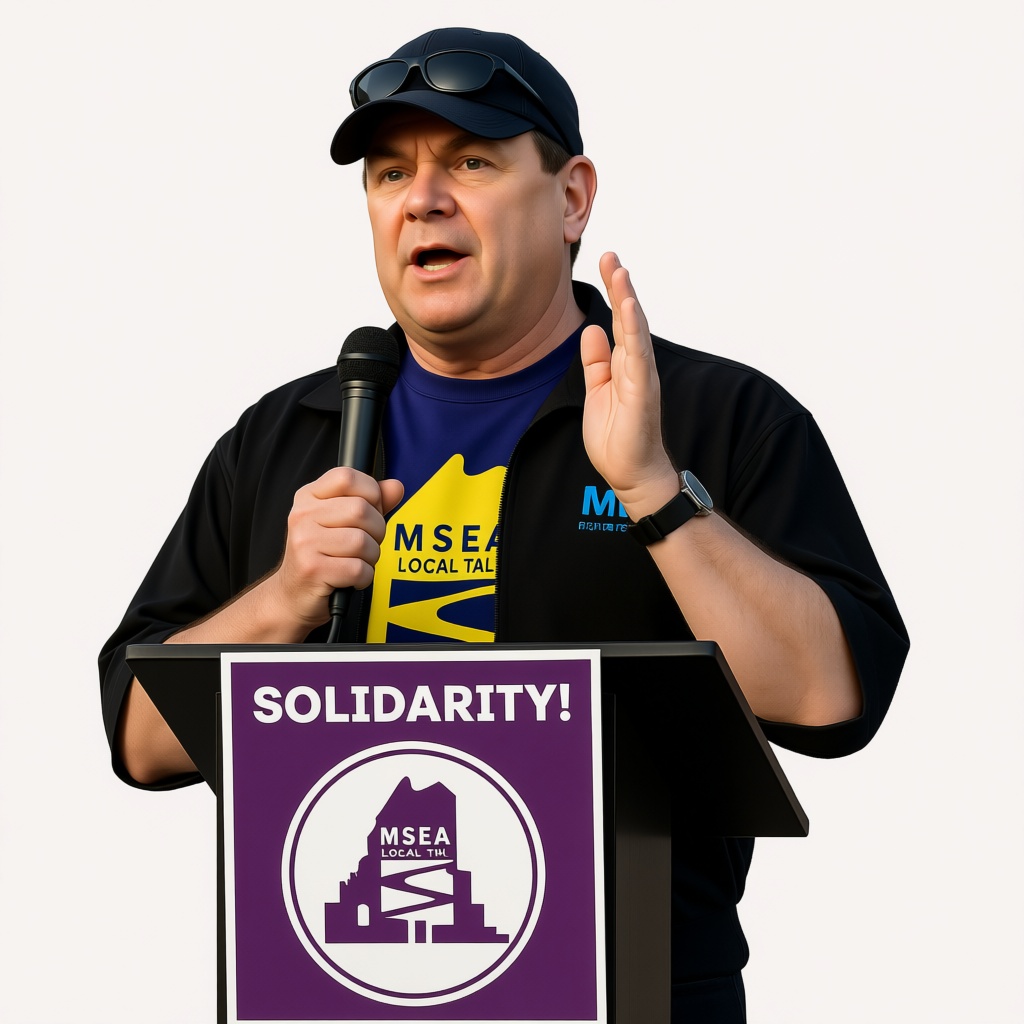
In a stirring declaration that has ignited hope among progressives nationwide, Maine Senate President Troy Jackson declared, “There is a powerful movement of working class people in the state of Maine, and millions more across America who are ready to send a progressive fighter to the Senate.” This rallying cry underscores a burgeoning political wave driven by working communities demanding representation that truly reflects their interests in Washington.
Jackson, a longtime advocate for labor rights and social justice,’s comments highlight a shift in the political landscape—one fueled by grassroots activism and collective action among working-class Americans. From Maine’s mills and fisheries to urban centers across the country, this movement emphasizes economic equity, fair wages, healthcare access, and climate action as core priorities.
“People are tired of the status quo,” Jackson explained in a recent interview. “They want leaders who will stand up for them—who understand the struggles of everyday life and are willing to fight for policies that lift up working families, not corporations.”
The growing momentum in Maine is emblematic of a broader national trend. Over the past few years, there has been an increasing push among working-class voters toward progressive candidates who advocate for policies like increased minimum wages, expanded healthcare, and protections for labor unions. Jackson’s comments reflect this surge, signaling that the political tide is turning away from traditional establishment politics toward a more inclusive, people-centered approach.
Several grassroots organizations and labor unions have rallied behind progressive candidates, recognizing the power of collective action to influence elections. Notably, this movement is mobilizing younger voters, minority communities, and rural populations—groups that have historically been underserved by mainstream politics.
Observers suggest that this groundswell could be pivotal in upcoming elections, especially as more working-class Americans become engaged and vocal about their needs. Jackson’s call to send a “progressive fighter” to the Senate aligns with this wave, aiming to challenge entrenched political interests and push for policies that prioritize the common person.
With a focus on economic justice and community resilience, the movement in Maine and beyond underscores a fundamental shift: the working class doesn’t see itself as a marginalized group but as a driving force for transformative change. As this movement gains momentum, it promises to reshape American politics, making it more responsive and accountable to those who have long been left behind.