
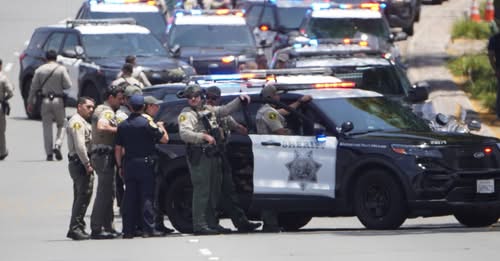
In recent weeks, a powerful statement from a prominent Democratic senator has reignited the national conversation surrounding the dangerous impact of anti-Muslim rhetoric in American politics. The senator emphasized a stark reality: “When leaders traffic in anti-Muslim rhetoric, violence follows.” This warning echoes a growing concern among activists, lawmakers, and communities about the corrosive effects of Islamophobia fueled by political discourse.
Across the country, instances of anti-Muslim sentiments have surged, manifesting in hate crimes, discriminatory policies, and societal divisions. Experts warn that political leaders wield significant influence, and their words can often serve as a green light for extremists or individuals harboring prejudiced views. This pattern, according to several studies, illustrates a disturbing correlation between inflammatory speech and acts of violence against Muslim communities.
Historically, political rhetoric that stereotypes or dehumanizes marginalized groups has broader social repercussions. From the post-9/11 backlash to recent incidents targeting mosques and Muslim neighborhoods, the pattern is consistent: rhetoric often precedes tangible acts of hate. Critics argue that when leaders adopt anti-Muslim narratives—whether about terrorism, immigration, or cultural integration—they inadvertently legitimize discriminatory behaviors and embolden perpetrators of hate crimes.
Recognizing this dangerous cycle, advocates urge political figures to adopt responsible language and actively combat Islamophobia. “We must confront Islamophobia with the urgency it demands,” the senator asserted. This call to action emphasizes the need for leadership grounded in facts, empathy, and a commitment to protecting all Americans regardless of faith.
The Federal Bureau of Investigation (FBI) and community watchdog groups have documented an alarming increase in anti-Muslim hate crimes. According to the FBI’s Hate Crime Statistics report, incidents targeting Muslims rose significantly over the last year, highlighting the real-world consequences of divisive rhetoric. Community leaders stress that these acts of violence not only threaten safety but also undermine social cohesion and national unity.
Efforts to address the issue extend beyond rhetoric. Organizations such as the Council on American-Islamic Relations (CAIR) and the Anti-Defamation League (ADL) are working tirelessly to promote awareness, foster dialogue, and hold accountable those spreading hate. Many advocate for educational initiatives that challenge stereotypes and promote understanding of Muslim communities’ contributions to society.
The path forward, experts say, requires leadership that condemns hate in all its forms and promotes inclusive narratives. Upholding the values of diversity and mutual respect is essential to prevent future violence and build resilient communities. As the senator emphasized, the urgency of confronting Islamophobia is not just political, but a moral imperative to safeguard the fabric of American society.
Where to Learn More
- FBI Hate Crime Statistics – Federal Bureau of Investigation
- Resources for the Media: Combating Anti-Muslim Hate – CAIR
- ADL Education Resources on Hate and Extremism – Anti-Defamation League
- Rise in Anti-Muslim Hate Crimes Alarms Experts – NPR