
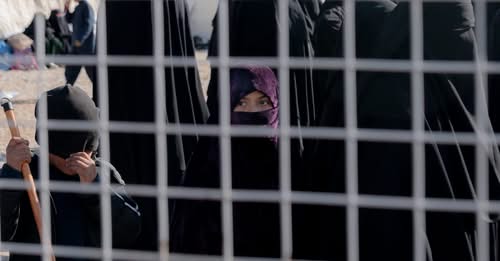
Nestled amidst the vast, unforgiving deserts of Syria’s northeastern al-Hasakah province lies the isolated village of al-Hawl. Once a humble settlement, it has become a symbol of one of the most complex humanitarian and security challenges in the region. Until recently, it hosted a de facto detention camp that held tens of thousands of individuals, primarily women and children, all with alleged ties to the Islamic State of Iraq and Syria (ISIS).
The al-Hawl camp, located in a remote desert area, emerged as a consequence of the ISIS insurgency that swept through Iraq and Syria. As the terror group’s territorial caliphate crumbled in recent years, thousands of fighters, women, and children trapped in the ISIS fold found themselves confined within the camp’s makeshift fences. Their presence underscores the enduring threat ISIS poses, long after the group’s territorial defeat.
For years, the camp became a microcosm of crisis management and international concern. Estimates suggest that over 60,000 individuals—most of whom are women and children—are held in conditions that International organizations say are dire. Many of the women are the wives or relatives of ISIS militants, while the children are often born into the conflict, lacking any connection to the outside world beyond their camp confines. The camp’s population is marked by a mixture of ethnicities, including Kurds, Arabs, and other minorities, complicating efforts to address the crisis.
The camp’s management has been a contentious topic, with Kurdish authorities controlling the area and facing criticism for alleged security lapses and humanitarian concerns. International actors have called for comprehensive solutions, including repatriation, rehabilitation, and reintegration of the detainees—steps that are fraught with political, security, and logistical hurdles.
Recent developments suggest a shift in how the global community views al-Hawl. International pressure has mounted for Western countries and regional powers to take responsibility for their citizens in captivity. Some nations have repatriated a handful of women and children, but many remain stranded, with governments reluctant to return citizens linked to ISIS due to fears of radicalization or security threats.
The situation in al-Hawl underscores the broader challenge of post-conflict reconstruction and counter-terrorism in the region. Human rights organizations warn that neglecting the camp’s residents could lead to the resurgence of extremist ideology, while critics argue that continued detention without proper judicial processes violates basic human rights.
As the world watches, the fate of al-Hawl’s residents remains uncertain. The camp is more than a detention site; it is a stark reminder of the ongoing struggles to reconcile justice, security, and humanitarian needs in the aftermath of one of the most brutal insurgencies in recent history.