
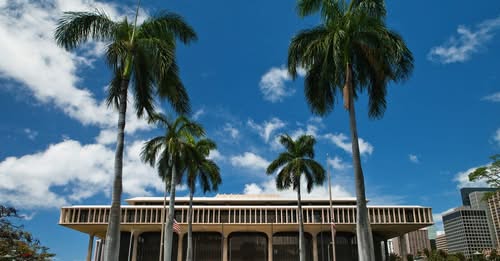
In a landmark move that could reshape the future of political funding in Hawaii, the state legislature has overwhelmingly voted—almost unanimously and with bipartisan support—to eliminate dark and corporate money from the state’s political process. This bold push signals a significant step toward transparency and integrity in Hawaiian politics, and all eyes are now on Governor Josh Green (D) as he considers signing the legislation into law.
The bill, which was passed with near-unanimous support in both chambers, aims to curb the influence of undisclosed partisan and corporate donors that have long fueled campaigns and sway political decisions behind closed doors. Advocates argue that the measure represents a major victory for transparency, reducing the risk of undue influence and restoring public trust in government institutions.
“Hawai‘i has taken a historic step toward cleaner politics,” said Rep. Leilani Kealoha, one of the bill’s chief sponsors. “Our communities deserve a government free from the shadows of dark money and corporate interests. This legislation promotes fairness and accountability.”
The bill’s passage reflects a broader national debate over the influence of money in politics, but Hawaii’s legislative action stands out as one of the most comprehensive efforts to date in restricting opaque funding practices. It sets strict limits on campaign contributions, bans anonymous donations, and imposes transparency requirements for all political spending.
Governor Green, a progressive Democrat known for his focus on government transparency and community engagement, now faces a pivotal decision. Despite the legislature’s strong backing, some critics have voiced concerns about potential impacts on campaign financing and free speech. Nevertheless, many activists and voters see the bill as a vital move toward restoring integrity to Hawaiian politics.
In recent months, Green has emphasized the importance of public trust and accountability, making his stance on the legislation highly anticipated. He is expected to review the bill carefully, weighing its potential to fortify Hawaii’s political system against concerns from business interests and some political opponents.
Should Governor Green sign the bill, Hawaii could serve as a national model for combating dark money, inspiring similar legislation across other states. Conversely, if he vetoes or modifies the legislation, it could spark a broader debate over the limits of campaign finance reform and the influence of corporations in politics.
This development comes amid growing voter activism and calls for greater transparency, highlighting Hawaii’s commitment to clean elections. As the state moves forward, all eyes will be on Governor Green’s decision—one that could redefine the future of democracy in the Aloha State.
Where to Learn More
- Hawaii Legislature Passes Historic Anti-Dark Money Bill – Hawaii News Now
- Hawaii’s Bold Move to End Dark Money—What It Means – Honolulu Civil Beat
- Legislature Approves Sweeping Campaign Finance Reform – Honolulu Star-Advertiser
- Hawaii’s Fight Against Dark Money: A Model for the Nation – The Washington Post