
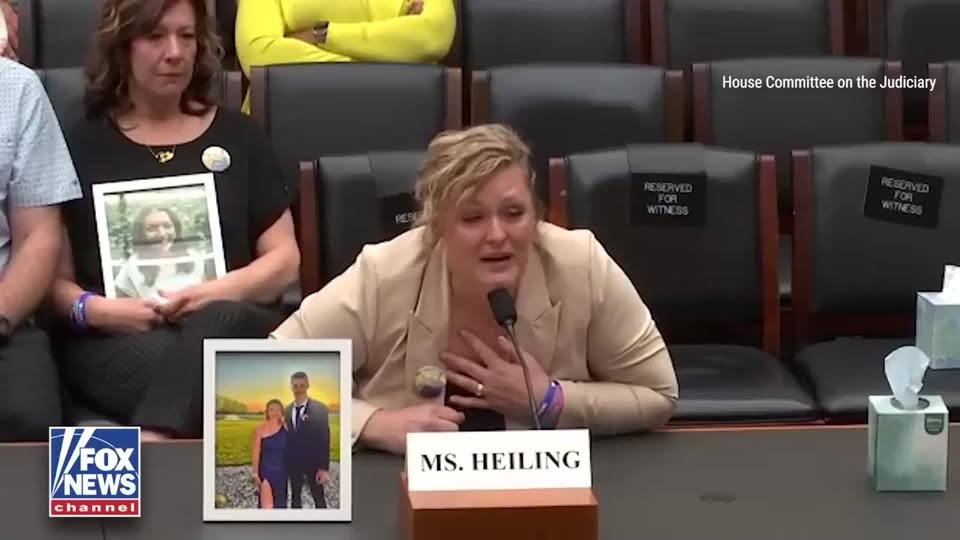
The tragic death of 18-year-old Brady Heiling has reignited a heated debate surrounding the labeling of certain families as “Angel Families” and the broader narrative of immigrants and crime. Brady, along with his girlfriend, was killed when an alleged illegal immigrant driving intoxicated reportedly drove the wrong way on the road, according to authorities. The incident has become a painful focal point for discussions about immigration policies and the human toll of such tragedies.
In the wake of the heartbreaking loss, Jen Heiling, Brady’s mother, has spoken out to differentiate her family’s grief from the rhetoric often associated with “Angel Families” — a term used by some groups to highlight families who have lost loved ones due to criminal acts committed by undocumented immigrants.
“My son was just a kid with dreams, and no one should have to endure losing a child in such a traumatic way,” Jen Heiling expressed passionately in an interview. “Comparing our family to others labeled as ‘Angel Families’ feels dismissive of our pain. Brady wasn’t a political statement — he was a son, a brother, and a beloved young man who deserved a future.”
The controversy intensified when social media posts appeared to equate her family’s grief with that of families who have lost loved ones to crimes linked to undocumented individuals. Critics argue that this framing oversimplifies the complex issues surrounding immigration and victimhood, while others believe that emphasizing personal stories humanizes the broader debate.
Some commentators have pointed out that the “Angel Families” narrative has been weaponized in political discourse, often used to advocate for stricter immigration policies. Conversely, advocates for immigrant rights emphasize that not all stories are comparable and that every loss is unique and deserving of compassion.
Jen Heiling’s stance underscores a fundamental truth: grief is deeply personal, and each family’s loss should be acknowledged individually. “My focus is on seeking justice for Brady and ensuring that other families don’t have to go through what we are experiencing,” she said. “But I also want people to understand that losing a loved one is different for everyone, and it’s wrong to fold our heartbreak into political slogans.”
The incident continues to serve as a somber reminder of the human costs behind policy debates. As communities mourn and seek accountability, tales like Brady’s highlight the importance of empathy and understanding amidst divisive issues.