
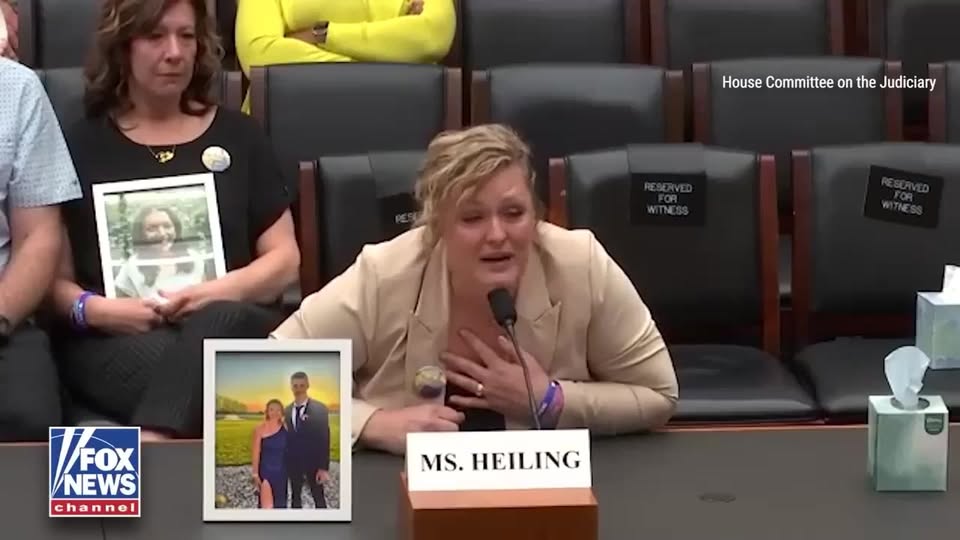
The tragic loss of Brady Heiling, an 18-year-old college student, has sparked a heated debate on social media, with some groups drawing controversial parallels between his family and so-called “Angel Families.” However, Brady’s mother, Jen Heiling, has publicly pushed back against these comparisons, emphasizing the importance of recognizing individual grief and distinct circumstances.
Brady Heiling and his girlfriend lost their lives when an individual allegedly operating a vehicle under the influence — an illegal immigrant reportedly driving the wrong way — collided with their car in a devastating accident. The incident has reignited conversations about immigration enforcement and accountability, particularly among families who have experienced similar tragedies.
Amidst the emotional outpouring from Brady’s friends and family, certain social media groups have begun comparing his story to “Angel Families,” a term often used by critics to describe families affected by crimes committed by undocumented immigrants. Advocates and critics alike have debated whether these comparisons are appropriate or diminish the individual suffering involved.
Jen Heiling, herself a grieving mother, took to social media to clarify her stance. She stated, “My son was unique, and his story deserves to be honored on its own. Comparing him to any group, especially for political motives, diminishes the personal pain we carry. Brady was loved, and he was lost in a tragedy that no family should endure.”
This statement underscores a broader issue about the importance of respecting grief and avoiding political exploitation of personal loss. Many believe that conflating individual tragedies with broader political narratives can be hurtful and divisive.
Immigration policy and its consequences remain complex and emotionally charged topics. While some use Brady’s story to advocate for stricter immigration enforcement, others argue that there are more effective ways to address the root causes of such accidents without politicizing personal grief.
This story highlights the need for empathy and understanding in conversations surrounding tragedy. Families like the Heilings deserve respect as they navigate their profound loss, free from political weaponization.