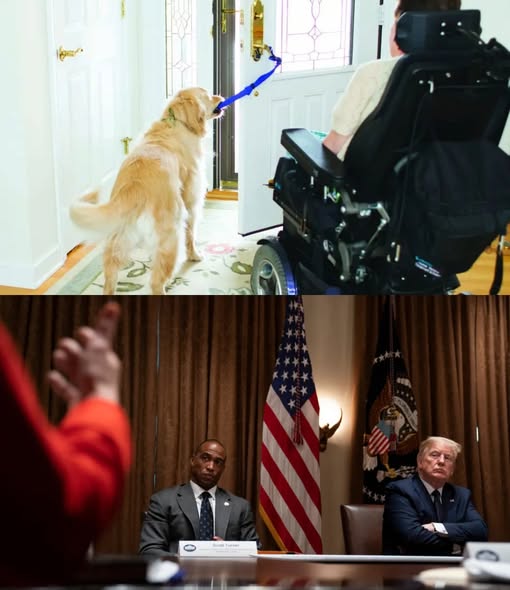
In a move that has sparked outrage across disability advocacy circles, the Trump administration’s Department of Housing and Urban Development (HUD) announced a sweeping shift in its stance on service animals and emotional support animals. According to a leaked internal memo obtained by The New York Times, HUD is effectively halting recognition of emotional support animals and tightening the criteria for what qualifies as a service animal—an action that experts warn could leave thousands of disabled tenants vulnerable to eviction and hardship.
This policy change comes at a critical time when millions of Americans with disabilities rely on their animals to navigate daily life. For many, a support dog or emotional support animal isn’t just a companion—they are essential for managing conditions such as PTSD, anxiety, depression, and other invisible wounds. Veterans with PTSD, senior citizens, families, and individuals battling mental health issues often find solace and stability in these animals, which enable them to maintain housing and independence.
Disturbingly, the new HUD directive appears to dismiss these needs, rooted in an argument that has been widely condemned: that an industry has “sprung up” to turn everyday pets into support animals, suggesting widespread scams. Critics argue this narrative unfairly stigmatizes genuine cases, comparing emotional support animals to “scams” like grieving widows with cats or pet owners falsely claiming their animals are service animals. This dangerous rhetoric overlooks the real human pain behind these relationships, a pain verified by research from the Department of Veterans Affairs (VA).
The VA’s own studies reveal that veterans paired with service dogs experience fewer suicidal thoughts and show marked improvements in mental health. With nearly 20-30% of veterans living with PTSD—and approximately 18 service members taking their own lives each day—the impact of these animals is life-saving. Agencies like the VA have acknowledged the importance of service animals in reducing veteran depression and suicide risk. Yet, under the new policies, many of these vital support systems could be dismantled.
The implications are dire: thousands of tenants may face eviction when their landlords deny their accommodation requests, or worse, surrender their animals to shelters after eviction. Former HUD fair housing attorneys warn that the agency’s new stance could result in the denial or dismissal of countless disability accommodation appeals, leaving vulnerable individuals with limited recourse. This policy effectively prioritizes bureaucratic restrictions over human rights, serving as a stark reminder of how policies can discriminate against society’s most defenseless members.
And what is the true cost? Not only does this deprive disabled individuals of their essential support, but it also accomplishes nothing in terms of fiscal savings. Instead, it is an act of cruelty—policy pushed forward not for the benefit of taxpayers but to marginalize those under the heaviest burden. This shift is yet another example of how some government officials prioritize political rhetoric and industry scapegoating over compassion and human dignity.
As a nation that prides itself on supporting its armed forces, protecting vulnerable populations, and upholding family values, what does this shift say about our collective moral compass? The treatment of disabled individuals, especially veterans who have sacrificed so much, is a profound measure of societal morality. With this policy, we seem to have failed that test — a failure of empathy, justice, and basic human decency.
In the face of this controversy, advocates urge the public to stay informed and demand accountability. Supporting a disabled person’s right to keep their support animal isn’t just about legal rights — it’s about standing up for compassion in our policies and protecting those who cannot defend themselves.
Where to Learn More
- HUD’s Policy Shift Threatens Support Animals for Disabled Renters – The New York Times
- VA Research: Service Dogs Reduce Veteran Suicide – U.S. Department of Veterans Affairs
- Emotional Support Animals: Scam or Savior? – Humane Society
- Disability Rights and Advocacy Resources – Anti-Defamation League