
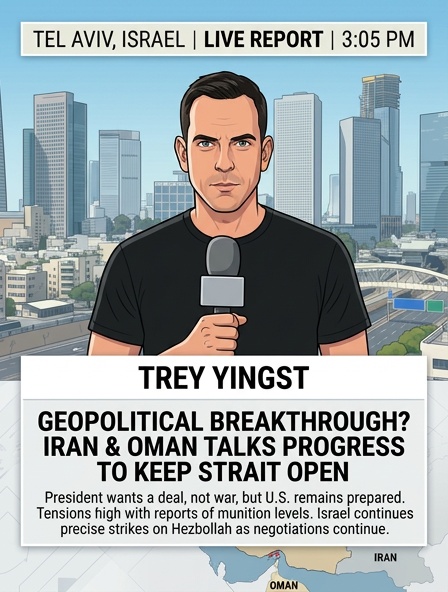
Negotiations aimed at keeping the vital Strait of Hormuz open are making promising strides, as Iran and Oman engage in renewed diplomatic talks under regional and international scrutiny. The strategic waterway, through which approximately 20% of the world’s oil passes, has long been a flashpoint for tensions in the Middle East. Recent efforts by Iran and Oman suggest a cautious optimism for stability in the region.
According to sources close to the negotiations, Iran and Oman are actively working to de-escalate maritime tensions and forge agreements that would guarantee safe passage for commercial shipping through the Strait. Oman, which shares a crucial coastline with Iran, has historically played a neutral intermediary role, and current discussions appear to be gaining traction under ongoing diplomacy facilitated by regional powers and international actors.
Meanwhile, on the broader geopolitical front, U.S. President Donald Trump states he prefers a diplomatic resolution over military action concerning Iran’s tactics in the region. In a recent press conference, President Trump emphasized, “Our goal is to secure a peaceful deal, but let there be no mistake—America is fully prepared to respond with force if necessary.” His comments reflect a cautious approach, balancing the desire for diplomacy with readiness for potential conflict.
Adding to the narrative, Vice President JD Vance reaffirmed the Administration’s unified stance. “The United States speaks with one voice on this matter,” Vance said during a recent interview, dismissing reports that suggest internal disagreements or depletion of military resources. He clarified, “Our military is fully capable and prepared, and we continue to support diplomatic efforts while being prepared for any contingency.”
Amid these high-stakes negotiations, further regional instability persists. Israel has launched fresh airstrikes on Hezbollah positions in southern Lebanon, following the deaths of two Israeli soldiers in recent confrontations. The strikes come amidst a tense backdrop, where escalation risks threaten to undermine diplomatic efforts to stabilize the region.
While the diplomacy surrounding the Strait of Hormuz offers hope for a de-escalation, the situation remains fragile. Experts warn that continued regional and international engagement will be critical, as competing interests and military postures remain volatile.
Overall, the coming weeks will be pivotal in determining whether the region can move toward lasting peace or further conflict. For now, the focus remains on the diplomatic progress involving Iran and Oman, which could potentially reshape the security landscape of the Middle East—offering a glimmer of hope amid ongoing tensions.