
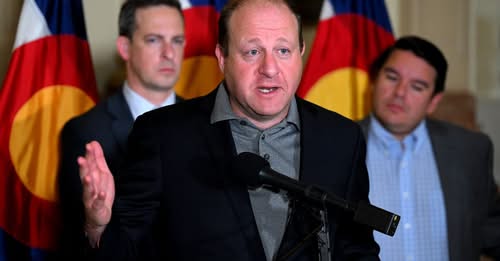
In a move that has ignited controversy across the political landscape, Colorado Governor Jared Polis has decided to commute the sentence of Tina Peters, a former county election official who was convicted on charges related to election system breaches. The decision, announced earlier this week, has been met with fierce criticism from election integrity advocates and democracy campaigners, who argue that it sends a dangerous message about the state’s stance on election security.
Legal Background and the Decision
Tina Peters, a Mesa County clerk, became a prominent figure in the ongoing debate over election security when she was accused and subsequently convicted of tampering with election equipment and revealing sensitive information. Her case drew national attention amid claims of election fraud and efforts to undermine confidence in the electoral process.
Governor Polis, a Democrat, stated that his decision to commute Peters’ sentence was based on her service record and concerns about her health. While officials emphasize that the decision does not exonerate Peters, critics argue it disregards the seriousness of her crimes and undermines efforts to uphold election integrity.
Reactions Spark Divisiveness
The move has sparked widespread debate. Democracy advocates contend that it could set a dangerous precedent, implying tolerance for criminal behavior when it aligns with certain political narratives. One prominent campaigner expressed this concern: “Sending this message to election officials and the public that criminal meddling in election systems will be overlooked when it serves a partisan purpose is profoundly troubling.”
Meanwhile, some supporters of Polis’s decision argue it reflects a nuanced approach to justice, taking into account individual circumstances and broader implications. However, critics warn that such decisions could erode public trust in the electoral process and embolden others to follow suit.
Political Ramifications and Broader Implications
The decision comes at a time when election security remains a top concern nationwide, especially with bipartisan efforts to strengthen safeguards and combat misinformation. Observers warn that governors and other officials must be cautious about how such legal decisions are perceived, as they could influence public confidence in democratic institutions.
Colorado’s stature as a battleground state makes this decision even more scrutinized, with both political parties watching closely. Election watchdog groups have called for transparency and a clear rationale behind Polis’s decision to ensure it does not undermine the integrity of Colorado’s election system.
Conclusion
As the fallout continues, the debate over Tina Peters and Colorado’s approach to election security underscores the ongoing tension between political ideology and safeguarding democratic processes. Whether this move will have lasting impacts remains to be seen, but it undeniably highlights the delicate balance policymakers face in defending both justice and democracy.