
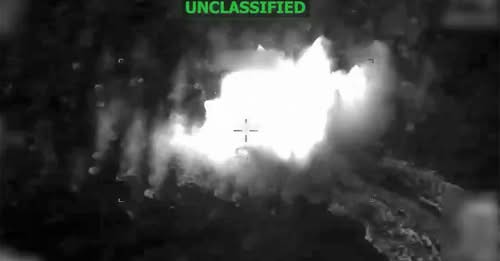
The U.S. Department of Defense confirmed late Tuesday that the Pentagon conducted yet another military strike targeting a suspected narco-trafficking vessel in the Eastern Pacific Ocean. The operation, which aimed to disrupt drug trafficking routes, resulted in the deaths of three individuals aboard the vessel, according to official statements.
Details surrounding the strike remain classified, but Pentagon officials emphasized that the action was part of ongoing efforts to combat transnational organized crime, particularly drug cartels that leverage maritime routes to smuggle illicit substances into North America and beyond. The vessel, described by defense sources as a semi-submersible or low-profile cargo ship, was believed to be carrying fentanyl, cocaine, or other illegal narcotics when it was targeted.
This recent military event marks the escalation of U.S. efforts in the region, where narcotics traffickers increasingly utilize remote maritime routes to evade detection. The Eastern Pacific has long been a hotspot for drug smuggling operations originating from Central and South America, with traffickers frequently employing fast boats and semi-submersibles to navigate dangerous waters undetected.
Pentagon officials stated that the operation was carried out following intelligence analyses and coordinated efforts with allied nations, including Mexico and Central American countries. The aim is to interdict shipments before they reach land, disrupting supply chains and reducing the flow of deadly drugs into U.S. and international markets.
Critics, however, have raised concerns about the use of lethal force and potential collateral damage. Human rights advocates emphasize the importance of ensuring that operations comply with international law and prioritize minimizing harm to civilians. Yet, military officials defend the strike as a necessary measure amid the escalating violence associated with drug trafficking.
This latest action underscores the ongoing challenges faced by law enforcement and military agencies in tackling sophisticated maritime smuggling networks. With hundreds of tons of narcotics intercepted annually, officials are under increasing pressure to bolster maritime interdiction capabilities while balancing issues of legality and human rights.
As the fight against transnational organized crime continues, experts point to the necessity of a comprehensive approach—combining military interdictions, diplomatic efforts, and increased social interventions in regions plagued by violence and poverty. The recent strike in the Eastern Pacific serves as a stark reminder of the evolving tactics employed by traffickers and the relentless efforts of global law enforcement to curb this deadly trade.
Where to Learn More
- Pentagon Confirms New Strikes Against Narcotics Vessels in the Pacific – U.S. Department of Defense
- U.S. Military Targets Drug Traffickers in Eastern Pacific – ABC News
- U.S. Conducts Military Operations to Disrupt Drug Trafficking in Pacific – The New York Times
- Latin America and U.S. Fight Against Transnational Drug Trafficking – BBC News