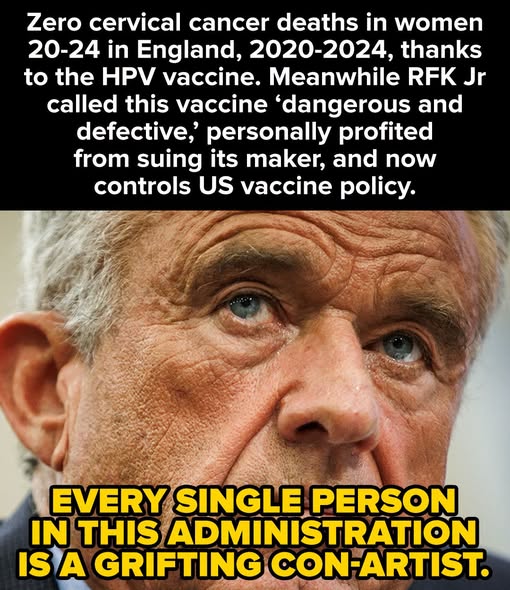
In a remarkable public health milestone, England has reported **zero cervical cancer deaths among women aged 20-24 from 2020 to 2024**, a feat attributed to the widespread adoption of the HPV vaccine across the country. This achievement underscores the vaccine’s profound impact on preventing a disease that once claimed thousands of lives worldwide each year.
The HPV vaccine, which targets the human papillomavirus responsible for the majority of cervical cancer cases, has been part of England’s national immunization program for over a decade. Its rollout began in 2008, initially targeting girls aged 12-13, with catch-up campaigns extended to older cohorts. Over time, this strategy has led to a significant decline in HPV infections and related cancers.
Recent data reveals that among women aged 20-24, there have been **no recorded deaths from cervical cancer between 2020 and 2024**—a potent demonstration of the vaccine’s effectiveness. Experts highlight that this decline is also reflected in the reduced incidence of precancerous lesions, contributing to improved long-term health outcomes.
However, not everyone regards the vaccine positively. A recent social media post has gone viral, featuring an image proclaiming the success story while also bringing renewed attention to political rhetoric surrounding vaccination. Notably, outspoken critics like **RFK Jr.** have described the HPV vaccine as “dangerous and defective,” despite overwhelming scientific consensus on its safety and efficacy.
RFK Jr., a prominent figure known for his skepticism of certain vaccines, has publicly voiced personal criticisms, which have been widely criticized by health authorities and experts. These statements come amid a broader debate about vaccine safety and public trust, but the data from England provide compelling evidence that, at least in this context, the HPV vaccine is a powerful tool in cancer prevention.
Health officials emphasize that the success in England is a result of sustained vaccination efforts, combined with comprehensive screening programs. They urge other nations to follow suit, citing the preventable nature of cervical cancer and the proven benefits of immunization.
While political and social debates continue, the tangible health outcomes—especially the dramatic reduction in deadly cases—serve as a reminder of the critical role vaccines play in public health. As the world confronts vaccine misinformation, the story from England stands as a testament to science-driven policy and the potential for vaccines to save lives.
Where to Learn More
- Record Low Cervical Cancer Deaths in Young Women in England – UK Government
- Cervical Cancer Facts & Statistics – American Cancer Society
- WHO Facts on HPV and Cervical Cancer – World Health Organization
- Cervical Cancer Prevention & Control – CDC
- HPV Vaccine: Benefits, Safety, and Risks – Medical News Today