In a recent social media posting that has quickly gone viral, Vice President JD Vance voiced concerns about what he describes as a burgeoning “progressive atheistic culture” that, he claims, dismisses or mocks traditional Christian beliefs. Vance’s comments underscore a growing cultural debate over religious freedom, free speech, and the shifting landscape of American societal values.
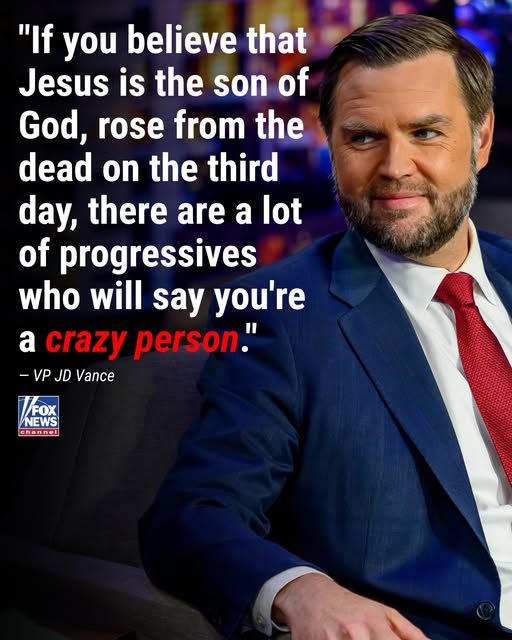
Vance articulated his perspective through a striking message, stating, “If you believe that Jesus is the son of God, rose from the dead on the third day, there are a lot of progressives who will say you’re a crazy person.” This statement highlights the divide between religious adherents and some left-leaning cultural critics, particularly regarding the acceptance of Christian doctrine.
He further criticized the narrative that has taken hold among many on the political left, comparing it to other areas of contemporary social policy. “Those same people will tell you that if a grown man takes some hormonal therapies that big pharma told them to take, that person will become a woman… What’s great about Christianity is it’s a healthy way to find meaning,” Vance added, implying that traditional faith serves as a stabilizing force amid what he perceives as societal moral chaos.
Analysts see Vance’s remarks as part of a larger, ongoing cultural debate about religious identity, freedom of speech, and the perceived marginalization of Christian values. Critics argue that such statements may deepen polarization, yet supporters contend they highlight an important cultural tension—one between religious belief and secular progressive ideologies.
This controversy comes at a time when religious communities report feeling increasingly sidelined or misunderstood. Many Christians allege their beliefs are being dismissed or mocked in mainstream discourse, especially in educational and media platforms. Meanwhile, advocates for secular and progressive causes often emphasize the importance of separating religion from other spheres of society in pursuit of inclusivity.
Vance’s comments resonate with a broader segment of Americans who see religious faith as integral to their identity and moral worldview. His assertion that Christianity offers a “healthy way to find meaning” appeals to those who feel that cultural shifts threaten traditional spiritual values.
As this debate unfolds, it raises questions about the future of religious freedom in the United States and the boundaries of free expression in a rapidly changing social landscape. Whether viewed as an urgent call for tolerance or a provocative stance, Vance’s remarks sure to stimulate further conversation among Americans concerned about the cultural direction of the nation.