
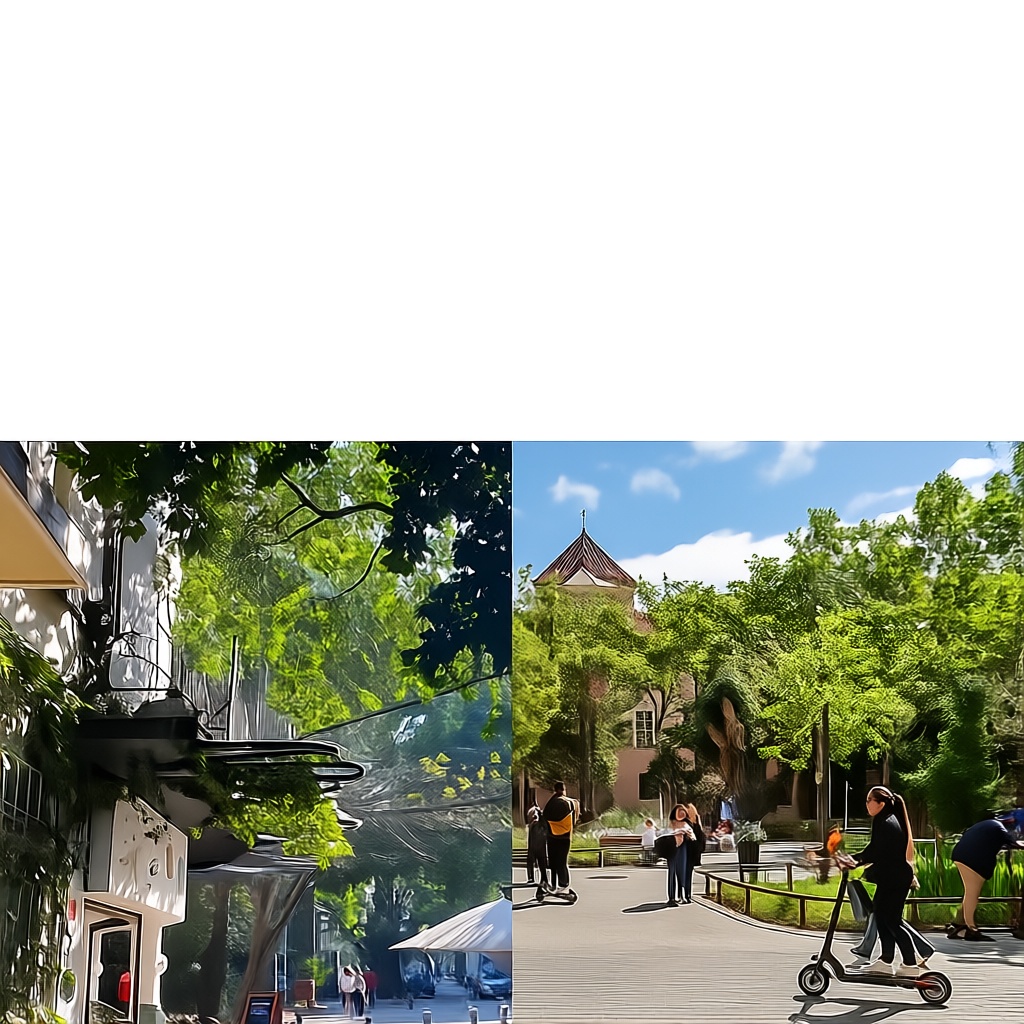
As cities worldwide face increasingly severe heatwaves, the call for more green spaces has never been more urgent. A viral social media post simply stating, “@Favwontmiss IF WE LEARN ANYTHING ABOUT THESE HEATWAVES, LET IT BE WE NEED TO MAKE OUR CITIES GREENER. PLANT SOME FUCKING TREES. BUILD A PARK. WE NEED MORE, MORE GREEN,” has struck a chord with millions. It underscores a harsh reality: urban heat islands intensify the effects of climate change, but proactive greening initiatives can provide much-needed relief.
Urban areas tend to trap heat due to concrete, asphalt, and a lack of vegetation—a phenomenon known as the “urban heat island effect.” During heatwaves, cities can become several degrees hotter than surrounding rural areas, leading to increased health risks, energy consumption, and strain on healthcare systems. Studies consistently show that increasing greenery helps mitigate these impacts by providing shade, lowering ambient temperatures, and improving air quality.
The social media post’s blunt call-to-action resonates globally. Cities like New York, Paris, and Beijing have begun to recognize the importance of planting trees and creating parks, not only for their aesthetic value but as critical infrastructure for climate resilience. Examples include New York City’s ambitious “OneNYC” plan, which aims to plant thousands of new trees annually, and Paris’s effort to convert abandoned lots into urban gardens.
Environmental experts emphasize that investing in urban green infrastructure offers proven benefits. According to a report by the Urban Land Institute, increasing tree canopy coverage by just 10% can reduce summer temperatures by up to 4°C. Such measures also improve mental health, foster community interaction, and boost biodiversity within city environments.
However, critics argue that greening efforts are often underfunded or face bureaucratic hurdles. The viral message acts as a rallying cry for citizens, governments, and organizations to prioritize the environment. Building parks, planting trees, and preserving green corridors should become integral parts of urban planning, especially as climate resilience becomes a necessity rather than an option.
The urgency is clear: *if cities don’t adapt now*, the future could see even more extreme weather with devastating consequences. As the viral social media post bluntly states, it’s time to make our cities greener—because the benefits far outweigh the costs. Beyond aesthetic improvements, green spaces are a vital line of defense against the escalating climate crisis.
Where to Learn More
- NRPA: Why Green Urban Environments Matter – National Recreation and Park Association
- IPCC Special Report: Global Warming of 1.5°C – Intergovernmental Panel on Climate Change
- How Urban Green Spaces Fight Climate Change – World Resources Institute
- Plant a Tree to Combat Urban Heat – United Nations Chronicle