
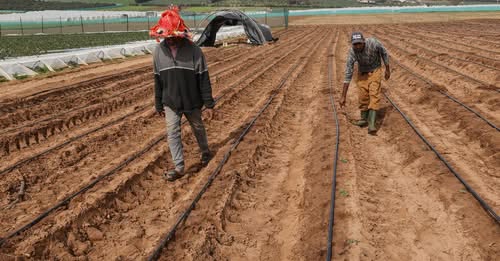
In a stark warning issued today, the United Nations has highlighted the escalating impacts of rising global temperatures on the world’s water and food systems. The latest UN report paints a troubling picture: higher temperatures are not only scorching soils but also wreaking havoc on agricultural productivity, livestock health, fisheries, and increasing wildfire risks worldwide.
Soil and Crop Damage is at the forefront of concerns. As temperatures soar, soils become parched, drastically reducing their ability to support healthy crops. This evaporative loss of moisture hampers plant growth, leading to diminished harvests across a range of staple foods. The report emphasizes that these declines threaten global food security, especially in regions already vulnerable to climate extremes.
Livestock and Fisheries Under Stress face mounting challenges. Elevated temperatures exacerbate water scarcity, which is critical for livestock health and productivity. Drought conditions force farmers to reduce herd sizes or relocate, often at great economic cost. Similarly, fisheries are disrupted as warming waters alter fish migration patterns and decrease fish stocks, impacting communities dependent on fishing for their livelihoods.
Adding to the crisis, the report underscores an increase in wildfire risks. Hotter, drier conditions create the perfect environment for wildfires, which threaten ecosystems, threaten human settlements, and further destroy agricultural land. These fires not only cause immediate destruction but also leave soils impoverished and vulnerable to erosion, hampering future cultivation efforts.
The UN warns that these issues are compounded when paired with water scarcity. As freshwater sources diminish, agricultural communities and urban centers alike face severe limitations. “When combined with water scarcity, the consequences intensify, cutting production, lowering incomes, and tightening food supplies,” the report states.
These combined stressors threaten to create a vicious cycle of food insecurity and economic instability. Vulnerable populations in developing nations are most at risk, potentially leading to increased hunger, malnutrition, and social unrest. The report urges urgent global action to curb greenhouse gas emissions and implement sustainable water and land management practices to avert the worst-case scenarios.
Addressing climate change and its impacts requires coordinated international efforts, investment in resilient agricultural systems, and policies that prioritize water conservation and ecosystem health. As the UN’s findings make clear, time is running out to prevent a profound global crisis rooted in environmental degradation.
Where to Learn More
- UN Report Warns Climate Change Threatens Global Food and Water Security – United Nations
- IPCC Sixth Assessment Report: Climate Change Impacts – Intergovernmental Panel on Climate Change
- Climate Change and Health: WHO Factsheet – World Health Organization
- Global Warming and its Impact on Agriculture and Fisheries – Nature Communications