
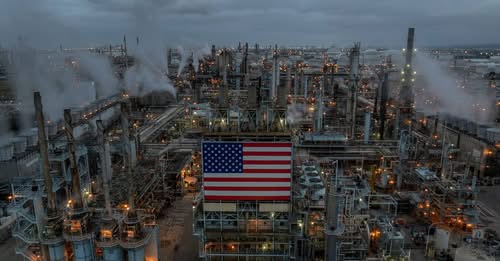
The United States is experiencing a significant decline in its petroleum reserves, with recent figures revealing a staggering drop of 10.6 million barrels last week alone. This sharp decrease has brought U.S. stockpiles to their lowest levels since 2004, sparking concern among industry experts, policy makers, and consumers alike.
Data released by the Energy Information Administration (EIA) indicates that as of last week, total U.S. petroleum reserves have fallen sharply, topping off at approximately 480 million barrels. This represents a substantial decline from previous weeks and raises questions about the future of energy stability and prices amid global market fluctuations.
“This level of inventory reduction is unprecedented in recent history,” said Dr. Laura Sims, an energy analyst at the Center for Energy Studies. “It suggests a combination of increased domestic consumption, reduced imports, and logistical challenges in maintaining supply during a complex geopolitical environment.”
The rapid depletion has coincided with rising fuel prices across the nation, impacting everything from daily commutes to industrial manufacturing. Experts warn that continued declines could lead to heightened volatility in wholesale and retail energy markets, potentially fueling inflation and economic strain.
Several factors are contributing to this unprecedented drawdown. The ongoing geopolitical tensions, particularly in oil-producing regions like the Middle East and Russia, have disrupted global supply chains. Additionally, increased demand as economies recover from pandemic lows has put extra pressure on U.S. inventories. Meanwhile, refinery maintenance and outages have further tightened the supply chain, leaving fewer reserves in the event of unexpected disruptions.
Market analysts are also watching the policies of the Biden administration, which has emphasized transitioning to renewable energy but continues to grapple with the realities of fossil fuel dependency. The current drawdown highlights the delicate balance between energy security and environmental commitments.
Looking ahead, industry experts warn that without immediate recovery measures, such as increased imports or boosting domestic production, the nation might face potential shortages or significant price spikes. The strategic petroleum reserve (SPR), which is intended as a buffer during emergencies, remains under pressure, emphasizing the need for careful management in the coming months.
As the nation grapples with these developments, consumers and businesses are urged to stay informed and prepare for potential market fluctuations. The rapid depletion underscores the importance of diversifying energy sources and investing in sustainable alternatives, even as the immediate concern centers around current supply levels.
Where to Learn More
- U.S. Petroleum Inventories – EIA Official Data – U.S. Energy Information Administration
- U.S. Oil Inventories Fall Sharply – Reuters
- U.S. Petroleum Reserves Lowest Since 2004 – Bloomberg