
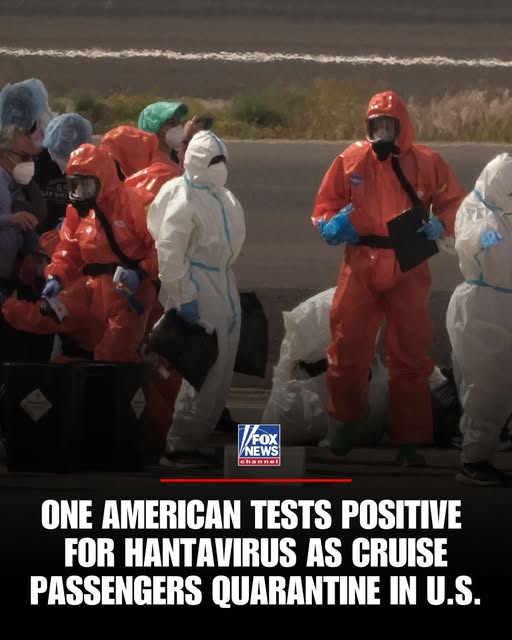
In a startling development, passengers who were recently exposed to hantavirus on a cruise ship have returned to the United States, with at least one individual testing positive for the virus. Authorities have swiftly initiated a comprehensive response, including quarantine measures, to prevent the potential spread of this rare but serious disease.
The group of 17 individuals is currently being transported to Omaha, Nebraska, where they will undergo a rigorous 42-day quarantine period under close medical supervision. This duration aligns with the incubation period of hantavirus, ensuring health officials can monitor and contain any possible infections.
Hantavirus is a rare viral infection primarily transmitted through contact with rodent droppings, urine, or saliva. While most cases are linked to exposure in rural or outdoor environments, there have been rare instances associated with contaminated imported goods or environments, making this situation particularly concerning.
It’s important to note that health officials emphasize this situation is **not** a repeat of the COVID-19 pandemic. They urge the public to stay calm and avoid panic. Dr. Lisa Nguyen, a spokesperson for the Centers for Disease Control and Prevention (CDC), stated, “While hantavirus is serious, the risk of widespread transmission in this case remains low because of the quick response and targeted quarantine measures.”
Authorities are also conducting detailed contact tracing and health assessments to determine if any other passengers or crew members may also be infected or at risk. The affected individual, an American, has exhibited mild symptoms and is receiving medical care in Omaha.
This incident underscores the importance of rapid response by health agencies to emerging infectious threats, especially in the context of international travel. Officials continue to monitor the situation closely and will provide updates as further information becomes available.
Travelers are advised to remain vigilant and adhere to health guidelines, especially when visiting environments where rodent activity might be prevalent. The CDC recommends maintaining good hygiene, sealing food containers, and avoiding areas with signs of rodent infestation to minimize risk.
Where to Learn More
- CDC – Hantavirus – Centers for Disease Control and Prevention
- WHO – Hantavirus Fact Sheet – World Health Organization
- NBC News – U.S. Cruise Passengers Exposed to Hantavirus
- Fox News – One American Tests Positive for Hantavirus After Cruise Exposure