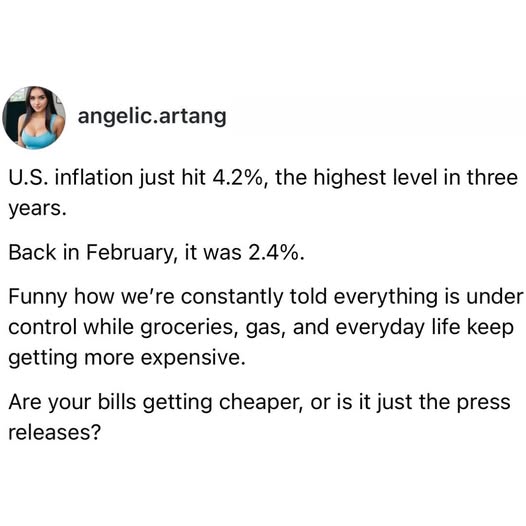
The United States is experiencing a notable economic shift as inflation rates climb to a three-year peak, signaling potential implications for consumers and policymakers alike. According to recent data, the U.S. Consumer Price Index (CPI) has risen to an annual rate of 4.2%, marking the highest inflation level since 2020.
This surge in inflation comes amid a complex backdrop of global economic recovery, persistent supply chain disruptions, and shifting monetary policies. Experts suggest that the rise could be driven by several factors, including increased consumer demand, rising energy prices, and ongoing wage pressures.
Economists warn that sustained inflation at this level could influence Federal Reserve decisions. With inflation thoughts to be transitory by some officials, many analysts now speculate that the Fed may need to tighten monetary policy sooner than previously anticipated to prevent the economy from overheating.
For consumers, the effects are already noticeable. Prices for everyday goods such as groceries, housing, and transportation are on the rise. “It’s becoming more expensive to keep up with basics,” says consumer advocate Maria Lopez. “Many families are feeling the pinch as wages haven’t kept pace with inflation.”
The Federal Reserve has maintained that the current inflation uptick is largely transitory, caused by supply chain bottlenecks and reopening anxieties. However, the continuous climb may prompt a reevaluation of this stance, with some officials considering tapering bond purchases or raising interest rates in upcoming meetings.
The broader economic outlook remains uncertain. While the job market continues to recover, inflationary pressures pose a challenge for maintaining economic stability. Policymakers are closely watching inflation data, balancing efforts to support growth without fueling further price increases.
Business sectors are also feeling the heat. Companies face higher costs for raw materials and transportation, which could lead to increased prices for consumers or squeezed profit margins. This balancing act highlights the delicate path ahead as the nation navigates post-pandemic economic recovery.
In the coming weeks, analysts and investors will be paying close attention to Federal Reserve communications and upcoming economic reports to gauge future policy moves and the trajectory of inflation.