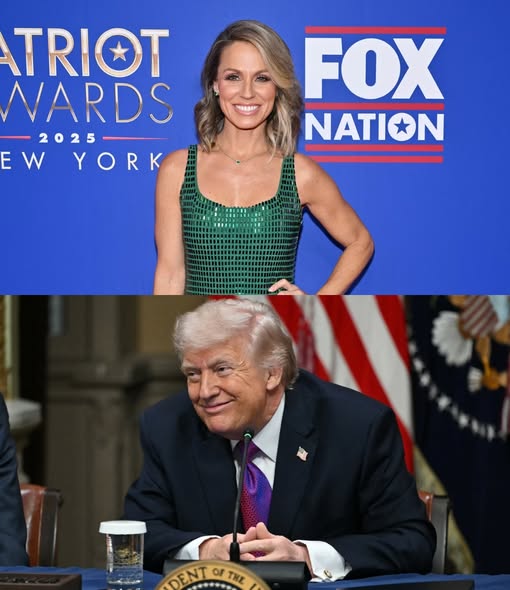
In a move that underscores the increasing influence of media personalities in high-level government appointments, former President Donald Trump announced his third nominee for Surgeon General on Thursday — Dr. Nicole Saphier. A seasoned radiologist at Memorial Sloan Kettering, Saphier’s selection has ignited controversy, primarily because her appointment appears rooted more in television presence than traditional medical qualifications.
Trump’s initial choice, Casey Means, a wellness influencer and former medical resident, was withdrawn after the Senate Health Committee declined to advance her nomination, citing her lack of an active medical license. The months-long push by the MAHA movement for her confirmation culminated in a political dead-end, with Trump blaming Republican Senator Bill Cassidy—himself a doctor—for blocking her path. Cassidy declined to comment.
So, in typical fashion, Trump pivoted by selecting someone he publicly acknowledged he saw on TV — Dr. Nicole Saphier. “She’s with Fox. Was with Fox,” Trump said during her introduction in the Oval Office. The emphasis on her media presence was explicit, suggesting that appearance and familiarity on cable TV played a significant role in her selection.
Once announced, the situation quickly unfolded into a familiar pattern: Fox News promptly dropped her contact within hours, marking her as yet another example of the network’s link to government appointments. Previous instances include Pete Hegseth’s brief stint at the Pentagon and Janette Nesheiwat’s earlier nomination for the Surgeon General that was rescinded.
This revolving door between Fox and federal agencies has raised questions about the appropriateness of media personalities occupying roles that demand scientific expertise. Critics argue that Saphier’s background lends her credibility — she holds a real medical license and respectable credentials — but her public statements and media appearances suggest her views align with right-leaning skepticism rather than public health consensus.
Based on her podcast and TV interviews, Saphier has questioned the necessity of the full vaccine schedule for children, including the hepatitis B vaccine at birth. She has criticized vaccine mandates, praised Trump’s decision to allow unvaccinated service members in the military, and voiced skepticism on issues ranging from transgender topics to her critiques of public figures like Ms. Rachel and New York Mayor Zohran Mamdani. She has also acknowledged the drop in childhood vaccinations as a concern while simultaneously echoing vaccine skepticism and other controversial views.
While she has voiced concerns over measles vaccination rates and criticized figures like RFK Jr., her media presence aligns with the image of a “TV doctor” — articulate, opinionated, appealing to cable audiences, but lacking the broad medical consensus expected from someone filling the top public health role.
The broader pattern—selecting officials based on TV-friendly personas—has become the norm in recent years. From Fox News personalities running the Pentagon to former Fox contributors in top federal positions, the reliance on media figures over traditional experts signals a shift in the criteria for leadership in government agencies.
As critics decry the politicization of the Surgeon General’s office, and some question whether Saphier’s appointment will actually serve the nation’s public health needs, it’s clear the role has morphed into one more about messaging than medical expertise.
Where to Learn More
- Trump Names Fox Medical Contributor as Surgeon General Nominee – The New York Times
- The Rise of Media Personalities in Government Roles – Politico
- What Saphier’s Appointment Means for Public Health – The Washington Post
- Media Influence and Political Appointments – CNN