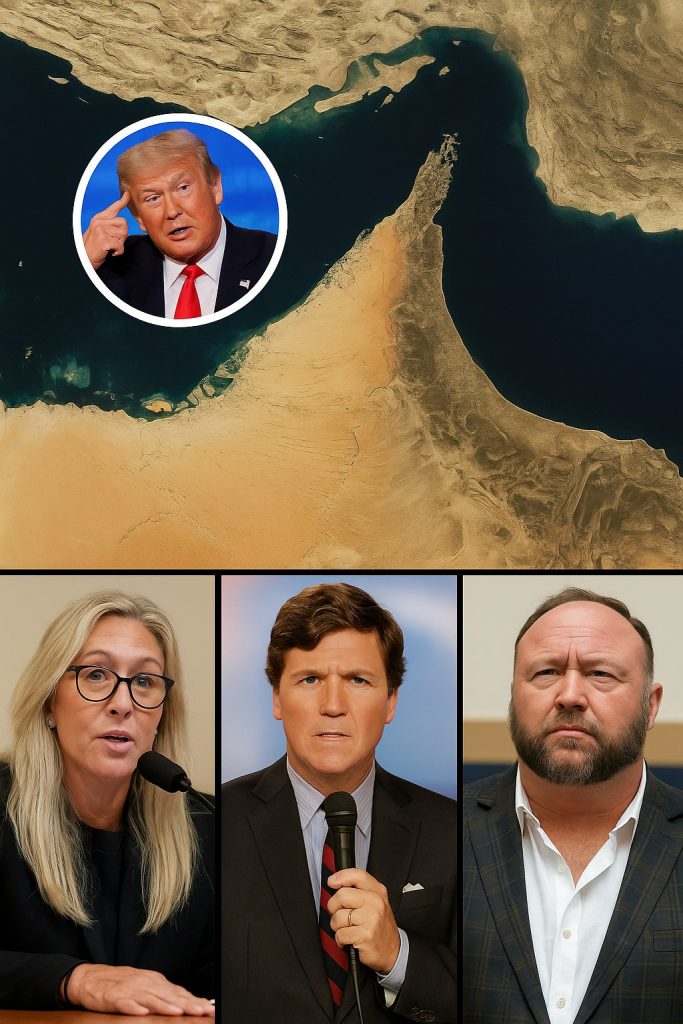
In a dramatic rollercoaster of statements, former President Donald Trump has ignited global concern by alternately threatening nuclear annihilation against Iran and then abruptly agreeing to a diplomatic ceasefire brokered by Pakistan. This volatile episode has sent shockwaves through political circles, media, and the public alike — raising urgent questions about presidential fitness and national security.
Just hours before reaching an unexpected truce, Trump posted a chilling message on Truth Social declaring, “a whole civilization will die tonight, never to be brought back again,” a remark widely interpreted as a threat of genocide aimed at Iran. The gravity of this statement reverberated worldwide, prompting renewed fears of escalating military conflict in the already volatile Middle East region.
Remarkably, by 5:32 PM the same day, Trump appeared to do a complete 180. His follow-up post announced that he had agreed to “suspend the bombing and attack of Iran for a period of two weeks,” crediting Pakistan for brokering the extension. He added that “almost all of the various points of past contention have been agreed to,” signaling a temporary de-escalation and a breathing space for diplomacy to potentially reopen the crucial Strait of Hormuz, a vital global oil shipping lane.
While many have welcomed the two-week diplomatic reprieve as a moment to exhale, the earlier incendiary threat left indelible damage. Experts, allies, and citizens nationwide have expressed alarm at the erratic leadership demonstrated in less than 12 hours. The volatility of such statements from someone with access to the nuclear codes has ignited a fierce debate about mental fitness and presidential responsibility.
This unprecedented situation caught the attention of prominent figures across the political spectrum. Conservative commentator Tucker Carlson publicly warned White House staff to “physically block Trump from the nuclear football,” emphasizing the gravity of the risk. Infowars host and longtime Trump ally Alex Jones stunned many allies by questioning on air, “how do we 25th Amendment his ass?” Later, Jones described Trump as sounding like “an unhinged super villain from a Marvel comic movie.”
The fact that these criticisms come from Trump’s own base and ideological allies underscores the depth of concern. The backlash has extended to Capitol Hill, where Rep. Marjorie Taylor Greene, a staunch Trump supporter, called for invoking the 25th Amendment — a move previously considered a fringe notion but now gaining substantial momentum.
Democratic lawmakers have rallied behind these calls, insisting that a mere two-week ceasefire cannot erase the damage inflicted by the morning’s genocidal threats. They argue that this erratic behavior demands immediate and decisive action — be it impeachment, the 25th Amendment, or resignation — to safeguard national security and global stability.
The international community, including Pope Francis, has also taken notice, adding moral weight to the outcry. As key allies reassess diplomatic relations, the United States faces intense scrutiny over its leadership during an especially precarious chapter of Middle East diplomacy.
History is watching closely as this unfolding saga challenges long-held assumptions about the presidency and power. One thing is clear: the question of President Trump’s fitness to wield the immense responsibility entrusted to him is no longer theoretical — it is a pressing reality that demands urgent resolution.