
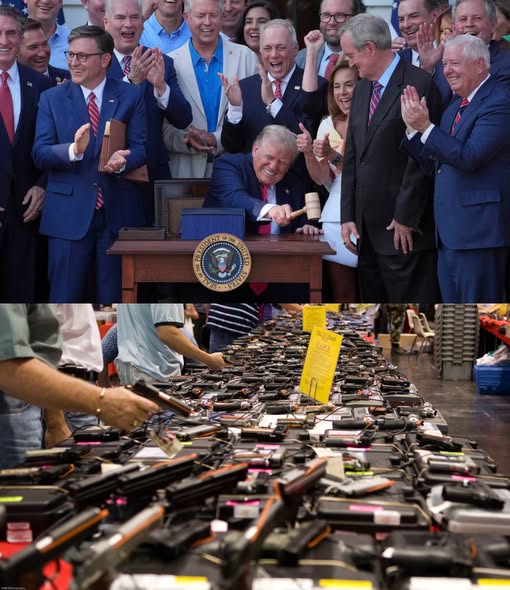
In a development sparking widespread concern among gun control advocates and public safety experts, the Biden-era Department of Justice under the Trump administration is quietly advancing a series of sweeping policy changes that could dramatically reshape the landscape of American gun laws.
According to reports from NPR, CNN, and the Center for American Progress, the DOJ is finalizing approximately 30 alterations to federal gun policy—most of which appear to be straight off the gun industry’s *wish list*. These proposed changes are garnering sharp criticism for potentially undermining decades of progress in gun violence prevention and public safety initiatives.
The National Rifle Association (NRA) has openly celebrated the move, calling it “the golden age for the Second Amendment.” Acting Attorney General Todd Blanche reinforced this stance during a recent press conference, stating, “The Second Amendment will never be treated as a second-class right.” This rhetoric underscores a broader push from the administration aligned with the gun lobby’s influence.
Among the most alarming proposals are two key measures that have experts warning about a possible increase in gun violence:
- Eliminating background check requirements for certain private firearm sales. Currently, private sales—particularly those conducted at gun shows or through online platforms—are often exempt from federal background checks. The proposed change could enable many more firearms to be purchased without scrutiny, increasing the risk of guns falling into the wrong hands.
- Lifting the federal ban on pistol stabilizing braces. These devices, which allow handguns to be fired with the stability and accuracy of rifles, were notably used in the 2021 Boulder mass shooting that claimed ten lives. Re-legalizing these braces could lead to more deadly, rifle-style handguns circulating in communities.
Further deepening concerns, the DOJ has proposed a rule to reactivate a dormant program that restores gun rights to convicted felons and others legally barred from firearm possession. Officially framed as an effort to end “disenfranchisement” for Americans with criminal histories, critics argue that this move effectively creates a pathway for convicted offenders to legally acquire guns again. The program, which has been inactive for years, now appears poised for revival, signaling a willingness to reverse previous restrictions on firearm ownership among high-risk populations.
While these policy shifts are purportedly justified in the name of protecting Second Amendment rights, many argue that the underlying motivation is financial. Every rollback appears to be driven by gun industry profits—where every loosened regulation translates into more guns sold and fewer legal restrictions, ultimately boosting industry profits at the expense of public safety.
Gun-control advocates warn that the real consequence of these changes could be a notable spike in gun-related violence. Less regulation, they argue, undermines existing measures that have contributed to a decrease in violent crime in recent years. Ironically, the moves seem to prioritize the interests of gun manufacturers and lobbyists over community safety and the well-being of ordinary Americans.
As the nation watches these developments unfold, questions remain about the long-term impact of dismantling safety measures once credited with saving lives. The intersection of politics, profit, and public safety has never been more pronounced, and many fear that the Biden administration’s efforts to rollback these policies mark a dangerous turning point.