
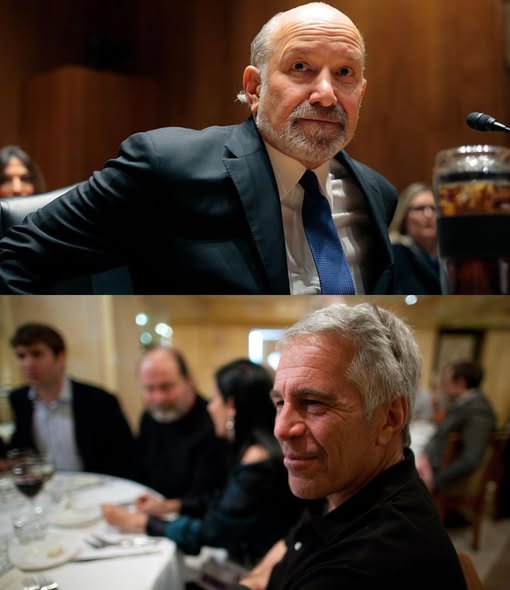
In a startling development that has reignited questions surrounding Jeffrey Epstein’s circles, Howard Lutnick, President and CEO of Cantor Fitzgerald and a key figure in Donald Trump’s Cabinet, faced a closed-door House Oversight Committee interview amid allegations of misleading Congress about his ties to the convicted sex offender.
The controversy centers on Lutnick’s inconsistent accounts of his interactions with Epstein, notably whether he visited Epstein’s private island — a notorious site linked to numerous allegations of sex trafficking. While Lutnick publicly claimed that following a disturbing episode involving Epstein around 2005, he and his wife decided to cut ties and avoid any further contact, records now suggest otherwise. In 2012 — seven years after Epstein’s conviction — Lutnick and his family reportedly traveled to Epstein’s private island, a fact he could not convincingly explain during congressional questioning.
“He simply said he couldn’t remember,” remarked an insider attending the session. Democrats, who characterized Lutnick’s responses as evasive, expressed frustration with what they called dishonesty and dodging questions about his connections to Epstein. “The American people deserve transparency — not memory lapses and half-truths,” said Congressman Ro Khanna.
Adding fuel to the fire, Lutnick once publicly described Epstein as “the greatest blackmailer ever” and suggested he had recorded many of his powerful contacts, including some in government. These remarks have only intensified scrutiny amid reports that Lutnick changed his story after speaking with administration officials, who likely advised him to be more circumspect.
The handling of Lutnick’s testimony highlights the long-standing pattern of shielding influential figures involved in Epstein’s alleged crimes. Critics argue this reflects a broader cover-up that has kept crucial records hidden and silenced key witnesses. It also raises serious questions about the extent of the connections between powerful elites and Epstein’s network. As some lawmakers point out, if this were a Democrat involved in such allegations, the outrage and investigative fervor would be unrelenting, with headlines, subpoenas, and media blitzes dominating the news cycle.
Yet, in this case, the silence and dismissive attitude from many in the GOP suggest a selective approach to accountability. The call now is for transparency: Lutnick should resign immediately, congressional hearings should demand full disclosure of all records, and the Epstein files must be made public—errant secrets from the past that could shed light on the scope of Epstein’s influence and the ad hoc protection it received from some of the most powerful people in government and finance.
As the story unfolds, questions persist: Who told Lutnick to stick to the story that he “could not remember”? Why are key records still inaccessible? And most critically, how many others with connections to Epstein continue to hide in the shadows? These inquiries underscore the urgent need for renewed investigation into the Epstein saga and the pursuit of truth for victims and the American public alike.
Until then, the pattern remains: the powerful protect the powerful, and accountability is often a matter of how much influence they wield behind closed doors.
Where to Learn More
- Howard Lutnick’s Ties to Epstein Under Scrutiny in Congressional Hearing – The New York Times
- Epstein’s Network and the Cover-up of Powerful Connections – The Washington Post
- Calls for Full Transparency in Epstein Investigation Grow louder – CNN
- The Legacy of Epstein and the Culture of Protection for the Elite – Real Clear Politics