
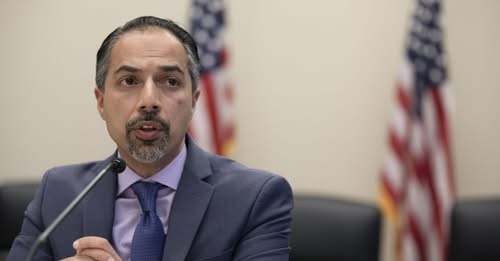
The recent revelation of an alleged effort by the Trump administration to deport prominent Iran analyst and outspoken critic Trita Parsi has sparked widespread outrage and ignited a fierce debate over bureaucratic overreach and political bias. Social media users and political commentators are decrying what they’re calling a clear example of a “bureaucratic temper tantrum,” highlighting the perilous intersection of immigration policy and political dissent.
According to reports circulating on platforms like Twitter and Reddit, government officials reportedly sought to deport Parsi—a well-known scholar, author, and staunch critic of U.S. policies toward Iran—based on vague immigration violations. However, critics argue that the real motivation behind such efforts was an attempt to silence Parsi’s outspoken stance against the Trump administration’s Iran policies during his tenure as director of the Quincy Institute’s Center for Foresight and International Intelligence.
“Irony is if the Trump admin had listened to Parsi, they’d be in much better shape now,” said a fellow anti-war writer, emphasizing how Parsi’s warnings about the consequences of aggressive foreign policy may have been overlooked or dismissed. Many are reflecting on whether this move was an example of the administration punishing dissent instead of addressing legitimate immigration concerns.
The controversy grows as experts and activists question the legality and morality of targeting a critic for political reasons. Critics have pointed out that Parsi’s work has been instrumental in shaping progressive discourse on Iran and Middle Eastern geopolitics, making him a particularly inconvenient figure for administration officials eager to justify tough foreign policy stances.
Legal analysts are also questioning the procedural aspects of the reported deportation efforts, arguing that any action to deport Parsi without appropriate justification could be seen as an abuse of the system. The case raises concerns about the broader implications of politicizing immigration enforcement, especially against individuals who serve as critical voices in policy debates.
Though the Trump administration has yet to formally comment on the allegations, the story has ignited a social media firestorm, with activists and scholars accusing the government of “weaponizing” immigration policies to silence dissent. Critics are demanding transparency and accountability from officials involved, calling for an investigation into whether political bias influenced immigration enforcement decisions.
This incident underscores ongoing tensions in U.S. policy circles about free speech, dissent, and the use of bureaucratic power in politically charged situations. As the discourse continues to unfold online and in the halls of Congress, Parsi’s case serves as a stark reminder of the delicate balance between national security concerns and fundamental democratic rights.