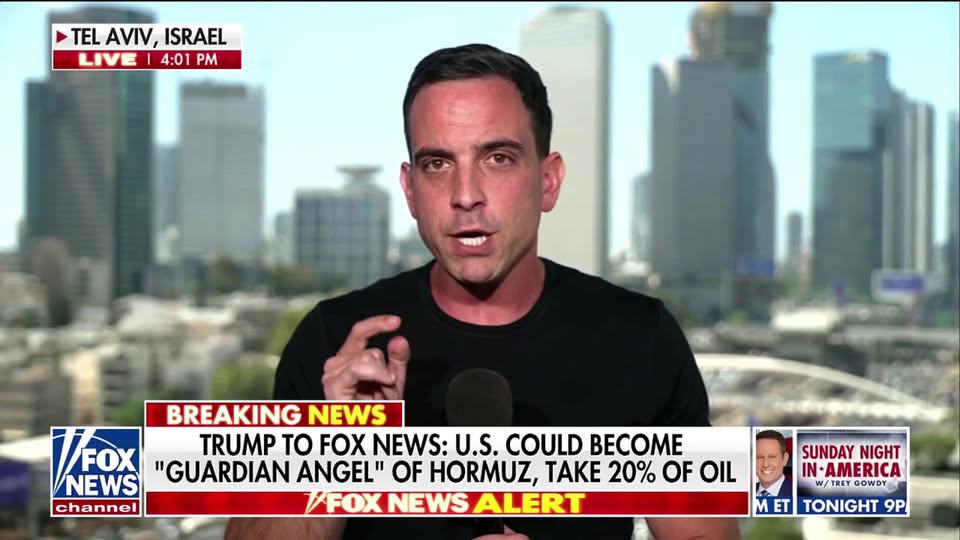
In a recent revealing account, former President Donald Trump recounted a tense exchange with Iranian leaders amid escalating tensions over the strategic Strait of Hormuz. Speaking during an interview with journalist Trey Yingst, Trump detailed what he told Iran’s leadership when they issued threats to close the crucial waterway that funnels a significant share of the world’s oil supply.
“You close it, and you won’t have a country. You won’t even make it back to your f—ing country,” Trump retold with conviction, highlighting the stern warning he conveyed to Iranian officials. His words underscore the U.S. stance against any moves Iran might consider to threaten global oil routes and regional stability.
The incident occurred amidst heightened tensions in the Middle East, with Iran asserting that it might block the Strait of Hormuz in retaliation against U.S. sanctions and regional pressures. The Strait, a vital chokepoint between the Persian Gulf and the Gulf of Oman, sees about 20% of the world’s oil traded through it daily, making its security a priority for many nations.
During the interview, Trump shed light on the ongoing diplomatic negotiations leading up to this stark warning. He noted that the U.S. and allied leaders are engaged in delicate talks in Switzerland, seeking to prevent any escalation that could spark broader conflict. Despite the diplomatic efforts, Trump’s blunt remarks make it clear that the United States will stand firm against any Iranian threats to disrupt global energy supplies.
Many analysts interpret Trump’s candid recounting as a reflection of his straightforward approach to foreign policy—emphasizing strength and deterrence to prevent hostilities. His comments serve as a stark reminder to Iran, and possibly others in the region, that crossing certain lines could trigger severe consequences.
The geopolitical stakes are high, with regional allies and global markets closely watching developments. The U.S. administration has made it clear that it considers any attempt to threaten the Strait of Hormuz a red line, capable of provoking swift and decisive action. Meanwhile, Iran maintains its position, asserting that it will defend its sovereignty, even if it chooses to threaten such critical maritime routes.
This ongoing saga underscores the fragile balance in the Middle East, where diplomacy and threats often collide. As talks continue in Switzerland, the world remains alert to potential flashpoints that could spark larger conflicts, with Trump’s uncompromising warning serving as a potent symbol of U.S. resolve.