
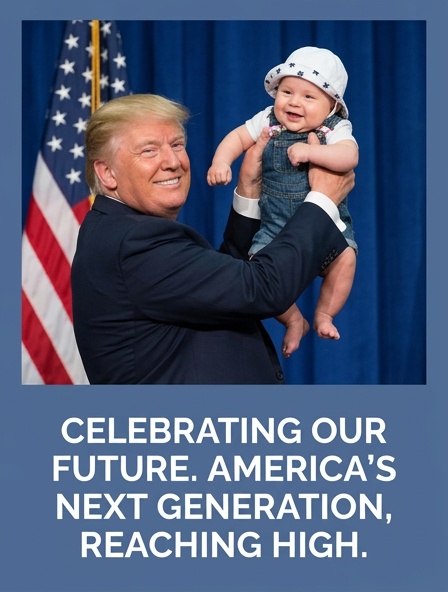
In an unexpected turn amid ongoing discussions about workforce shortages in the United States, President Donald Trump has announced a controversial plan to address the labor crisis by rolling back existing child labor laws. The proposal, unveiled during a recent rally, calls for allowing teenagers to work longer hours and engage in more physically demanding jobs, arguing that it will help fill critical employment gaps across various industries.
Trump’s approach marks a significant departure from traditional labor policies aimed at protecting minors from exploitation and hazardous working conditions. His administration contends that current restrictions restrict the supply of young workers, especially in sectors such as agriculture, manufacturing, and retail, where labor shortages are severely impacting operations.
“We need our young people to step up and contribute to rebuild America’s economy,” Trump stated. “By reducing unnecessary regulations, we can empower teenagers to gain valuable work experience and help businesses grow. It’s time to get America back to work.”
The proposed changes would involve adjusting federal labor laws — particularly those under the Fair Labor Standards Act — to permit minors aged 16 and 17 to work longer hours and undertake jobs currently restricted to adults or younger children. Critics, including labor unions, child advocacy groups, and some lawmakers, have expressed alarm over potential safety risks and the exploitation of minors.
“Reducing protections for teenage workers sets a dangerous precedent,” said Sarah Johnson, director of the National Child Labor Law Coalition. “Young workers are vulnerable to injury, and we must prioritize their safety and well-being, not expose them to potentially hazardous conditions just to solve a labor shortage.”
Supporters of Trump’s plan argue that the current restrictions are outdated and hinder economic growth, especially as many industries grapple with staffing shortages following the pandemic’s aftermath. They believe that giving teenagers more work opportunities could also provide valuable life skills and financial independence.
Meanwhile, labor advocates warn of the long-term societal implications, pointing to past instances where relaxed labor laws led to increased youth exploitation and dangerous working environments. Several states, including California and New York, have recently moved toward strengthening protections for young workers, underscoring a nationwide debate over youth employment standards.
This proposal comes at a sensitive time when the nation faces multiple economic challenges, including inflation, supply chain disruptions, and a tight labor market. As policymakers debate the merits of loosening child labor restrictions, many are watching closely to see how the administration balances economic needs with the imperative to protect vulnerable populations.
Where to Learn More
- Trump Proposes Changes to Child Labor Laws: What It Means for America’s Workforce – National Review
- The Controversy Over Trump’s Call to Roll Back Child Labor Protections – The New York Times
- Understanding Child Labor Risks and Protections – CDC/NIOSH
- The Future of Youth Employment Laws – Labor Notes