
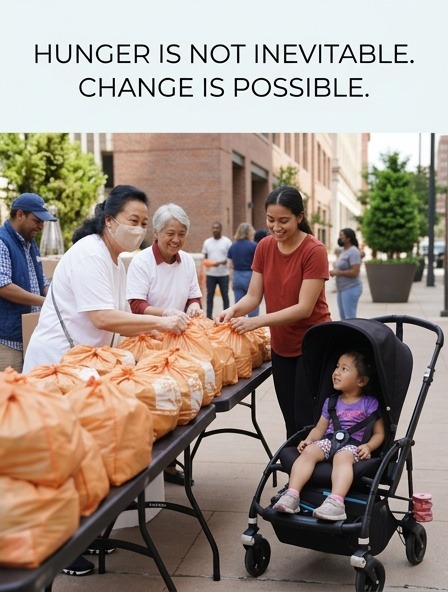
Across the globe, millions of people face daily food insecurity, with some communities experiencing chronic hunger despite advances in technology and agriculture. However, a growing movement asserts that hunger is not a fixed destiny; rather, it is a challenge that can be addressed with collective effort, innovative solutions, and policy change.
At its core, hunger results from a complex web of factors—poverty, inequality, climate change, and inadequate food systems. Yet, many organizations and communities are proving that sustainable change is possible. Initiatives that focus on local food production, improved distribution networks, and empowering marginalized populations are making real impacts in reducing food insecurity.
One inspiring example is the rise of urban agriculture projects in cities worldwide. From rooftop gardens in New York to community farms in Nairobi, these initiatives not only provide fresh produce but also foster community engagement and resilience. By turning underutilized spaces into productive land, communities can improve access to nutritious food while strengthening local economies.
Technology also plays a crucial role. Innovations such as mobile apps connect farmers directly with markets, reducing waste and increasing income. In regions where transportation infrastructure is lacking, drones are being tested to deliver supplies to remote areas. These advancements demonstrate that breakthrough solutions can help bridge gaps in food security.
Policy changes are equally vital. Governments are increasingly recognizing that ending hunger requires structural reforms—such as increasing social safety nets, supporting smallholder farmers, and investing in sustainable agriculture. International organizations like the United Nations have committed to the Zero Hunger goal by 2030, emphasizing that eradicating hunger is achievable through coordinated global action.
Public awareness and individual action also matter. Every purchase, donation, or advocacy effort contributes to a larger movement for change. Campaigns pushing for fair food practices, responsible supply chains, and equitable access help mobilize resources and political will.
Hunger is a preventable tragedy—one that we have the tools and knowledge to eliminate. The key is recognizing that it is an issue of justice and shared responsibility. By working together, investing wisely, and embracing innovation, we can create a future where no one goes to bed hungry.
Where to Learn More
- FAO: Hunger Facts and Figures – Food and Agriculture Organization of the United Nations
- World Food Programme: The Fight Against Hunger – United Nations World Food Programme
- Feeding America: Hunger in the United States – Feeding America
- Global Hunger Index – Concern Worldwide & Welt Hunger Hilfe
- United Nations: End Hunger and Achieve Food Security – UN Sustainable Development Goals