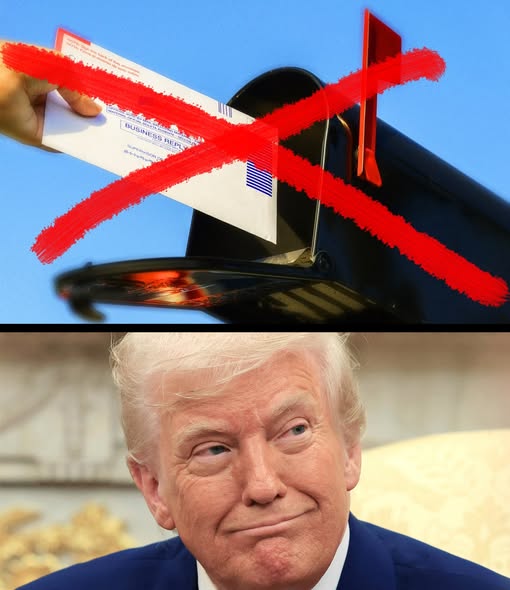
The Biden-era U.S. Postal Service (USPS) finds itself at the heart of a controversial and concerning development that raises serious questions about voting rights and election integrity. Under a newly proposed USPS rule, emerging from an executive order issued by former President Donald Trump in March 2026, state election officials are now being mandated to provide the federal government with lists of their mail-in voters at least 60 days before federal elections. Failure to comply could mean that constituents’ ballots won’t be delivered—an ultimatum that critics are calling one of the ugliest threats in recent American democratic history.
The audacity of this move is striking. By demanding voter lists—a move more aligned with surveillance than election administration—the federal government appears to be leveraging the postal system as a tool for political control. An official familiar with the rule confirmed that if states refuse or delay in submitting their voter data, the USPS will not guarantee the delivery of mail-in ballots in their jurisdiction, effectively disenfranchising voters who rely on postal votes.
Experts point out that this isn’t simply about improving postal operations or streamlining elections. It’s viewed by many as a backdoor attempt at data collection to facilitate partisan advantages. The Justice Department has already taken aggressive steps—suing 30 states to hand over voter data, despite courts ruling against the government in all eight cases that have been decided so far. Meanwhile, 23 Democratic-led states and the District of Columbia have filed suit to block the executive order entirely, warning that it erodes voting rights and undermines trust in the electoral process.
Adding weight to these concerns is a statement from a former USPS Board of Governors vice chair, who plainly stated: “If postage is paid, the Post Office should deliver the mail, full stop.” This underscores an increased concern that the USPS, historically a neutral service, is being politicized for electioneering—an issue that strikes at the very core of the postal service’s constitutional mandate.
What’s more alarming is the broader context. This USPS rule is part of a relentless effort by the Trump administration to reshape voting laws—particularly targeting mail voting, which has been a focal point of unfounded claims of widespread fraud. The SAVE Act, aimed at restricting absentee ballots, has repeatedly stalled in Congress. Courts have consistently blocked attempts to restrict mail voting, citing its vital role in ensuring access to the ballot, especially for voters with disabilities, seniors, and residents of rural areas.
Despite these setbacks, critics argue that the current maneuver to coerce states into handing over voter data—using the postal service as a weapon—is a deliberate attempt to influence the 2026 midterm elections. The move raises fundamental questions about the sanctity of the voting process and whether the government is committed to safeguarding, or threatening, democratic participation.
As America prepares for what promises to be a fiercely contested election cycle, the integrity of mail-in voting procedures and the independence of election officials have become key battlegrounds. This latest USPS rule proposal highlights the ongoing — and contentious — fight over voting rights, access, and the true meaning of a free and fair election.
Where to Learn More
- NY Times: USPS and the Battle Over Voter Data – The New York Times
- Washington Post: Postal Service Rules Could Disrupt Mail-In Ballots Ahead of 2026 Midterms – The Washington Post
- Election Law Blog: Legal Battles Over Voter Data and Postal Mail – Election Law Blog
- CNN: Experts Warn of Backdoor Data Grab Amid USPS Voter List Mandates – CNN