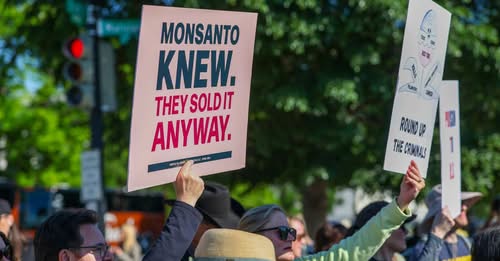
The Supreme Court heard highly charged arguments this week in a pivotal case that could reshape the landscape of environmental and public health law. At the heart of the controversy is Monsanto’s weedkiller, Roundup, and whether Bayer, its parent company, can continue to shield itself from lawsuits claiming the product causes cancer.
The case centers on thousands of plaintiffs who allege that exposure to glyphosate—the active ingredient in Roundup—led to their diagnosis of serious illnesses, including non-Hodgkin’s lymphoma. These claims have already resulted in multimillion-dollar verdicts against Bayer, which acquired Monsanto in 2018. Bayer vehemently denies that Roundup poses any health risks, emphasizing the safety of its product based on decades of regulatory approval.
However, critics argue that Bayer and other corporations are engaged in a toxic game of legal dodgeball, prioritizing profits over public safety. During the oral arguments, a representative from Food and Water Watch sharply criticized Bayer’s stance. “Bayer is intent on preserving its right to harm at all costs—a pursuit the Trump administration is all too willing to endorse,” stated a campaigner from the advocacy group, highlighting concerns about regulatory capture and the rollback of consumer protections under the current administration.
The legal dispute hinges on the interpretation of the Federal Environmental Pesticide Act and whether Bayer can rely on certain legal protections that limit the liability of chemical manufacturers. The companies argue that the Environmental Protection Agency (EPA) has already evaluated glyphosate and deemed it safe, thus precluding state-level lawsuits. Plaintiffs and their attorneys contend that scientific evidence demonstrates credible links between glyphosate exposure and cancer, and that regulatory agencies should not shield companies from accountability when health risks are evident.
The Supreme Court’s ruling could set a precedent with far-reaching implications, potentially hampering the ability of injured consumers to seek justice against powerful corporations. Critics warn that such legal defenses could become a shield against future public health lawsuits, effectively enabling corporations to put profits ahead of people’s health and safety.
This case exemplifies a broader debate over the power of corporate interests versus the rights of individuals to a safe environment. As the justices deliberate, advocacy groups are mobilizing public opinion and urging the court to uphold accountability and prioritize scientific evidence over corporate legal strategies.
The outcome of this case will undoubtedly influence how chemicals are regulated in America and how vulnerable consumers can seek remedy for health damages. For now, it remains a stark reminder of the ongoing battle over corporate accountability and environmental justice in the United States.
Where to Learn More
- Food and Water Watch – Detailed insights into the case and advocacy efforts
- New York Times – In-depth coverage of Supreme Court arguments and legal implications
- Reuters – Reports on Bayer’s legal battles and regulatory context
- EPA Official Website – Regulatory history and safety assessments of glyphosate